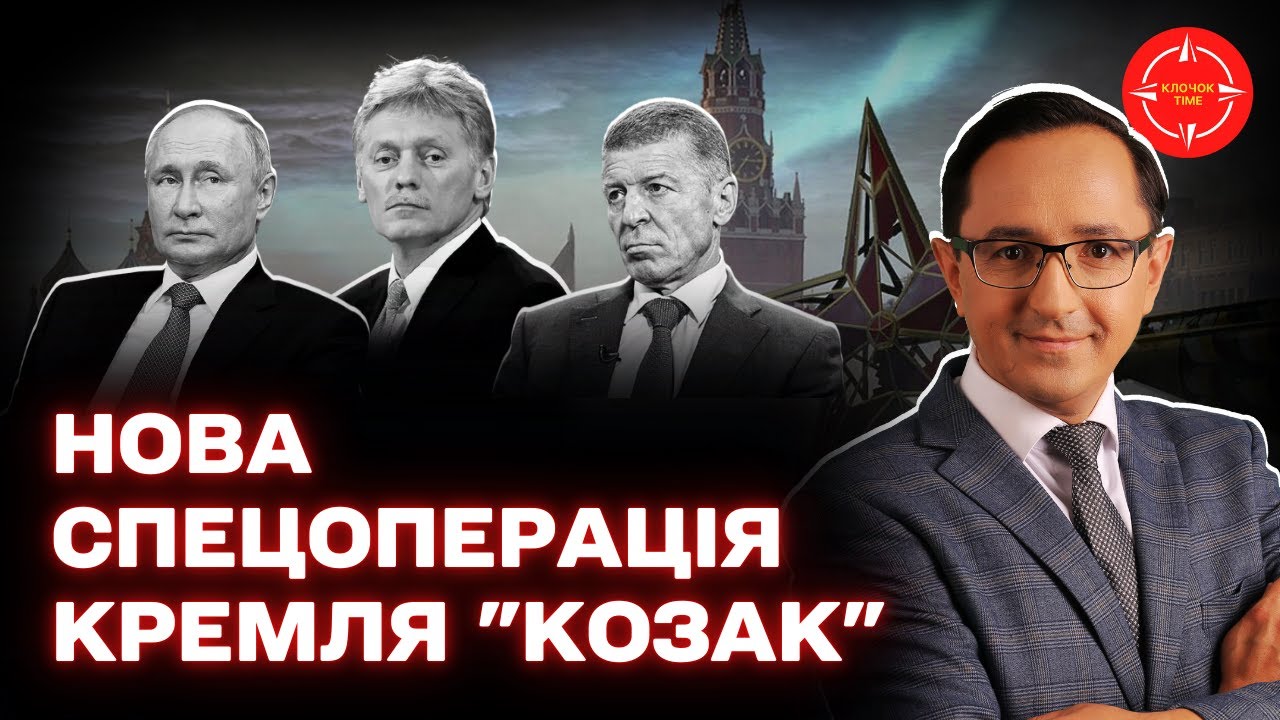
The host interviewed Valeriy Klochok, public figure and head of the "Nova Doroha" charity fund. The main topic was the removal of Dmitry Kozak as Deputy Head of the Russian Presidential Administration. According to Klochok, this event is not a step towards ending the war and does not affect the internal situation in Russia. He believes such personnel changes are more of a special operation and do not signal changes in the Kremlin's policy of aggression.
The discussion touched on statements from Russia's Foreign Ministry about possible compromises and negotiations. Klochok emphasized that the compromises offered by Russia do not involve real concessions, viewing Russia's information policy as an attempt to shift narratives. He stressed that a genuine compromise would require Russia's full de-occupation of Ukrainian territories and payment of reparations, not simply a cessation of hostilities on Russia’s terms.
An important part revolved around the international negotiation process. Klochok noted that ending the war depends not only on Ukraine and Russia, but also on Europe, the United States, and China. Western countries mainly pursue their own interests. Chinese diplomats' visits to Europe and sanction policies are part of the broader bargaining over economic influence.
Klochok also discussed Estonia's government's decision to fully ban the import of Russian gas. While he welcomed the step as correct, he pointed out that it came late, after years of trade between European countries and Russia. He highlighted the importance of prompt support from allies, noting that delays cost Ukrainian lives.
Klochok concluded by underlining the cynicism of international politics, where each state primarily protects its own interests, and practical help for Ukraine often arrives only after negative experiences or pressure.
The interview also covered Donald Trump’s meetings with European leaders, where the focus was primarily on their countries’ cooperation, rather than ending the war in Ukraine.