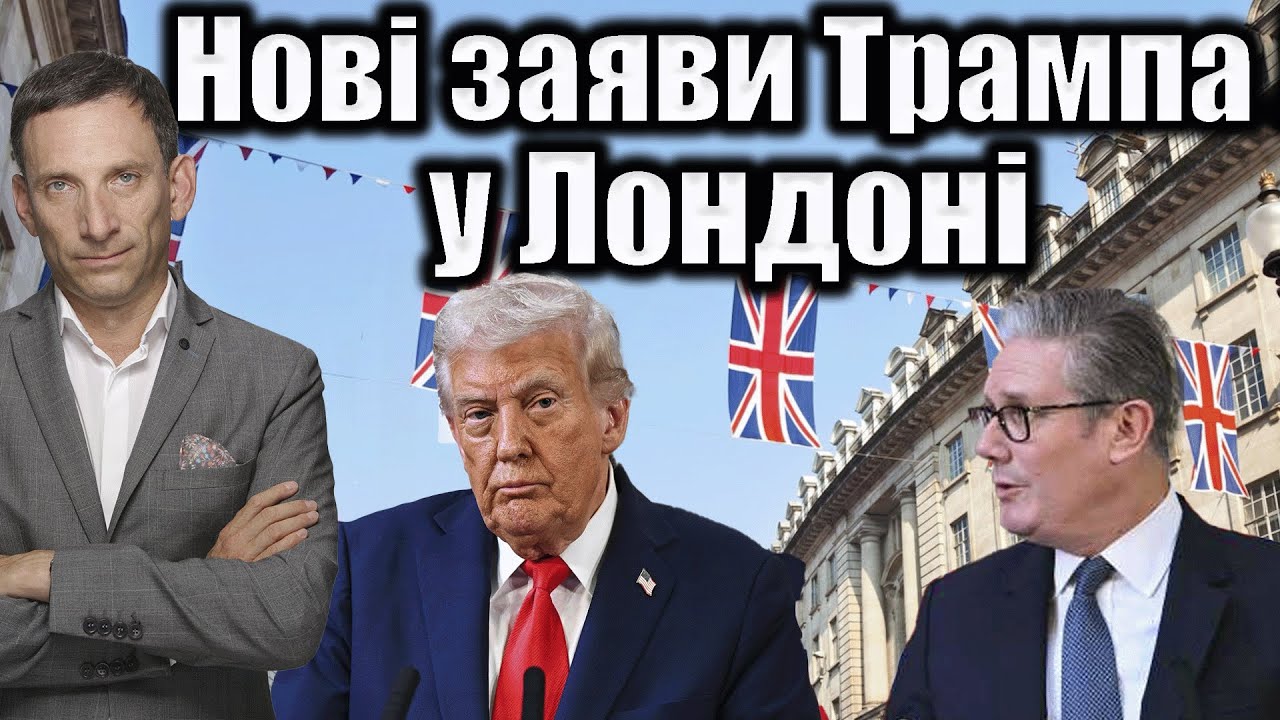
Today, Donald Trump made his second-ever state visit as a US president to the United Kingdom—a unique historic event, as no president before has carried out two such official visits. Both the return of Trump to the Oval Office and this visit have been described as unprecedented, recalling only Grover Cleveland's two presidencies in US history.
The British had a vested interest in inviting Trump, aiming for stronger political and economic ties amid post-Brexit challenges. Trump’s affinity for ceremonies and royal encounters means that guarantees of US-UK cooperation are vital for the stability of Britain’s economy following its departure from the EU.
The central global question is the influence of Trump's visit and policies on the Russia-Ukraine war. Experts believe Trump’s stance is largely unchangeable, not easily swayed by British leaders. Trump’s focus remains on strong, authoritarian figures like Putin or Xi Jinping, while King Charles III’s solidarity with Ukraine does not affect Trump’s political decisions.
Trump confirmed his intention to settle the Russia-Ukraine war through negotiations based on terms favorable to Moscow, potentially recognizing Crimea's annexation and lifting sanctions. However, experts see this as unrealistic—today's Kremlin is not amenable to economic incentives. Trump also resists introducing new sanctions, assigning much of the responsibility to European partners.
Meanwhile, the mechanism of providing military aid to Ukraine via European funds for US weapons purchases has started working, though on a smaller scale compared to the direct support under Biden’s administration. Russia’s dependence on oil prices remains, keeping sanctions in global focus.
With the war ongoing and peace talks stalled, US and European policies will shape upcoming developments. Trump aims for deals that protect US interests and would enable a reduction in Ukraine support with minimal reputational damage for America.
Thus, negotiations, sanctions policies and arms supplies are key to assessing the future course of the US, the UK, Europe, and Russia regarding Ukraine and wider global security.