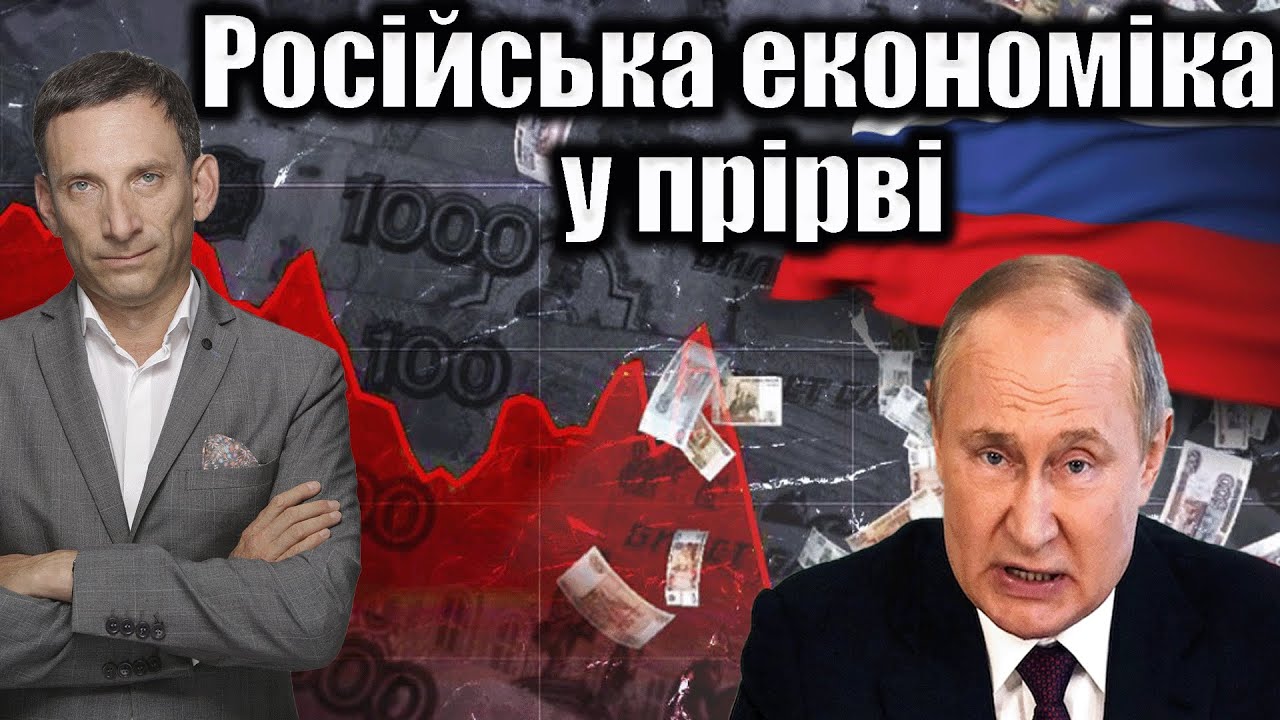
Vitaliy Portnikov examines the effect of Russia's economic crisis and Western sanctions on the outlook for the war. He emphasizes that a genuine economic collapse is the essential precondition needed to bring the fighting to a halt or at least a pause, as Russia would lack the resources to continue.
Recent harsh sanctions, particularly against oil giants Rosneft and Lukoil, have led to shrinking revenues and a significant budget deficit. The price Russia receives for its oil exports to China and India is much lower than the level planned in the state budget, forcing authorities to dip into reserves – projected to run out by 2026.
A Washington Post report and Russian data record a 49% drop in energy revenues in December, widespread wage cuts, and rising unemployment. The banking sector faces a real payments crisis. Even top energy monopolies get government subsidies.
Portnikov compares this to past crises: oil price collapses have always reduced Russia’s aggressive capacities. True change will occur, he argues, only when military payouts become impossible and social tensions reach a breaking point.
Still, even major unrest may not unseat Putin, who relies on a powerful security apparatus. The West’s assessment of sanctions is not overestimated—declining incomes and financial crisis are evident facts. If economic collapse results in a push for peace, Portnikov cautions that Russia could recover and resume aggression later.
Portnikov concludes that Ukraine should use Russia’s period of economic weakness to strengthen its western integration and defense to guard against future threats.