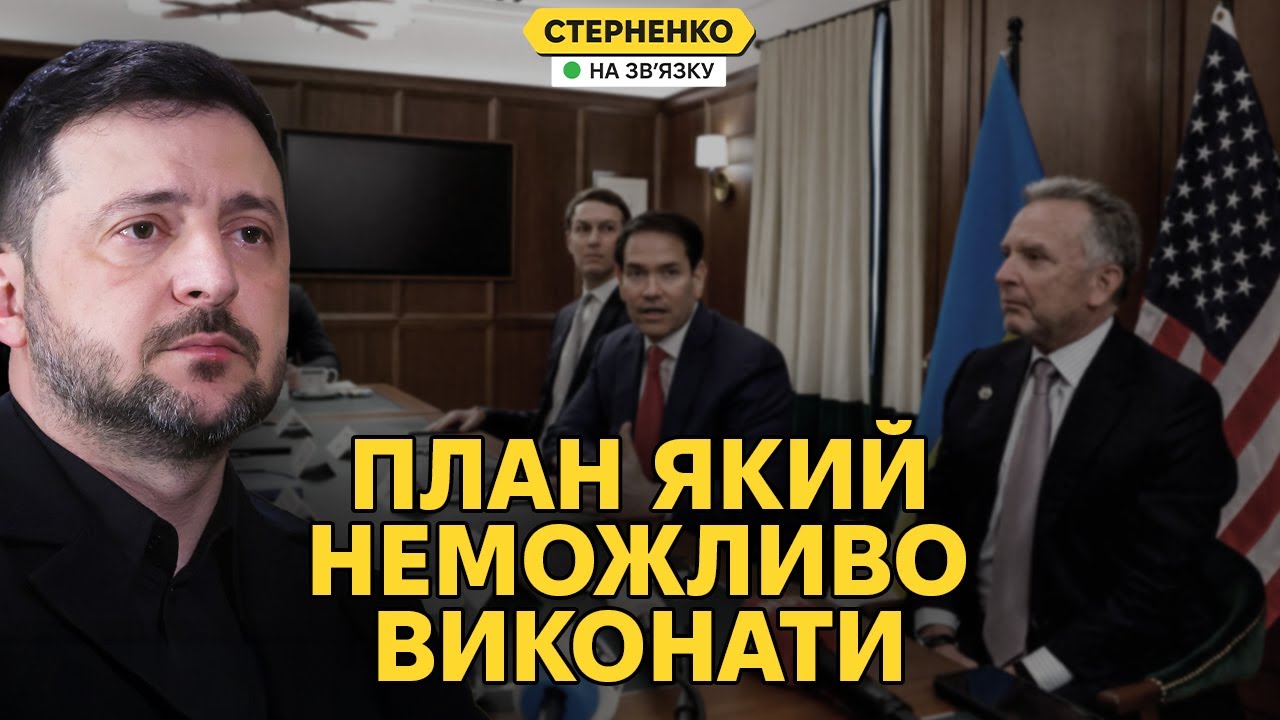
Ukrainian President Volodymyr Zelensky has introduced a new peace plan comprising 20 points, aiming to establish key principles for ending or suspending the Russia-Ukraine war. The document is a framework and remains non-final. Additionally, new security agreements and a roadmap for Ukraine’s prosperity are under discussion.
The initial points address Ukraine's sovereignty, which is indirectly limited by proposed restrictions on the size of the armed forces. The plan features monitoring mechanisms at the line of contact, a return to security guarantees, and expectations of support from the US, NATO, and the EU in case of renewed aggression. Also proposed are investment and recovery funds, with EU membership considered a security component.
A major part of the plan focuses on economic redevelopment, reconstruction, territorial questions, and possibly holding a referendum on the status of some regions or economic zones. Territorial changes are only possible according to the Constitution of Ukraine, which forbids ceding sovereignty. The proposal concerning control over the Zaporizhzhia nuclear power plant lacks Russian support.
Ukrainian commentators criticize the plan for omitting accountability for Russian crimes and reparations. The main task for Ukraine remains strengthening its army and defense capacity. Volunteers regularly organize fundraising for drones and equipment, with multiple units expressing gratitude, as this support enables the defense lines to hold.
Adoption of the plan appears unlikely, as Russia shows no intention to halt the conflict. Ukraine views continuing resistance as the only path to victory, requiring both military reform and support from volunteers and international partners.