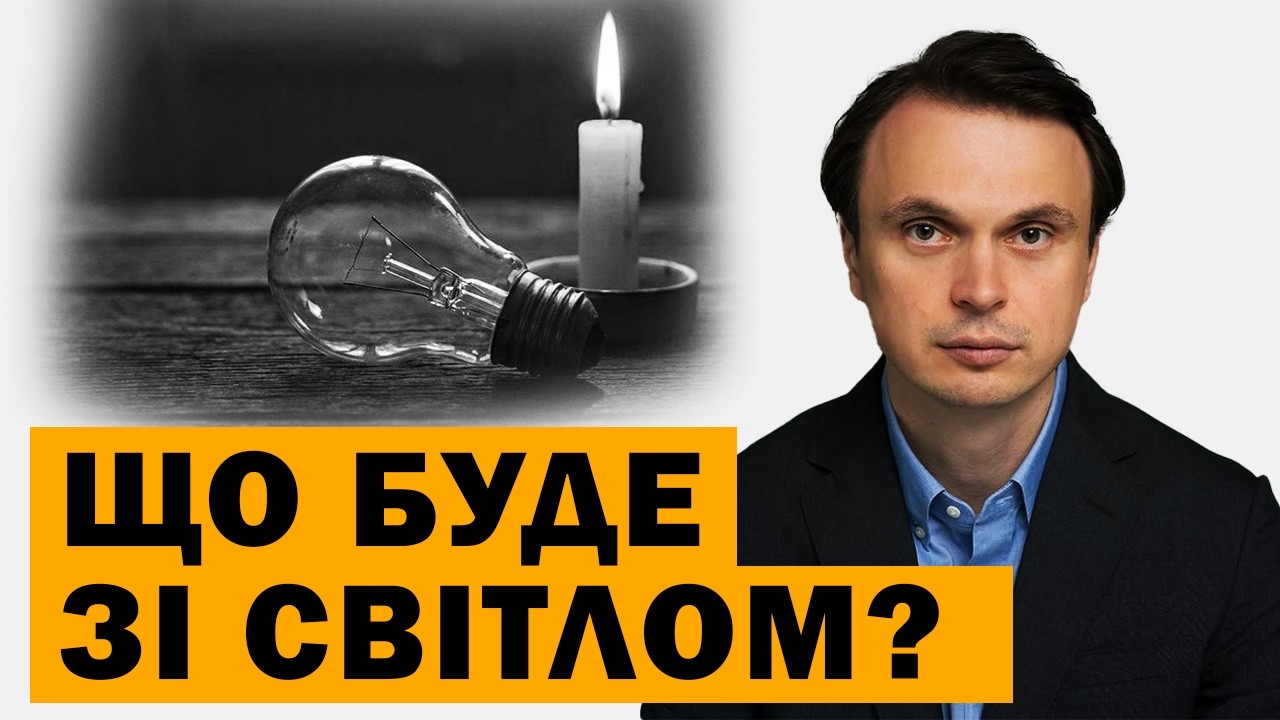
Ukraine faces daily Russian attacks targeting both civilian and energy infrastructure. Large-scale missile and drone strikes inflict serious damage on the power grid, leading to emergency outages.
On December 6, DTEK’s thermal power plants in various regions were struck, marking the sixth attack on the company's power stations in two months. On the night of December 7, energy infrastructure in Poltava region was again targeted. Eight regions have been affected overall, with over a million consumers left without electricity at times.
The government has announced measures to reduce blackout durations for households, considering energy redistribution and possibly reducing the list of critical infrastructure facilities to minimize outage periods. Energy specialists emphasize the difficulty of network repairs due to the lack of equipment and resources.
Experts warn that colder weather will worsen the power situation: demand will rise and recovery of generating capacity will take weeks. The G7 and international partners have pledged support, including equipment supplies and infrastructure protection.
Attacks on substations and thermal power plants disrupt not only residential power supply, but also hospitals, transport, and communications. Western regions fare better due to proximity to nuclear power plants and European imports, while central, southern and eastern Ukraine suffer more frequent shortages and outages.
Kyiv and large cities like Dnipro, Odesa and Kharkiv are particularly affected. In the capital, power cuts may last up to 14-15 hours a day. Authorities and energy workers urge citizens to save electricity and prepare for a difficult winter.
The national bank forecasts an energy deficit of 5-6% in the first quarter of next year. There is a growing emphasis on reinforcing the energy network and ongoing international support to stabilize the situation and prevent mass blackouts in the future.