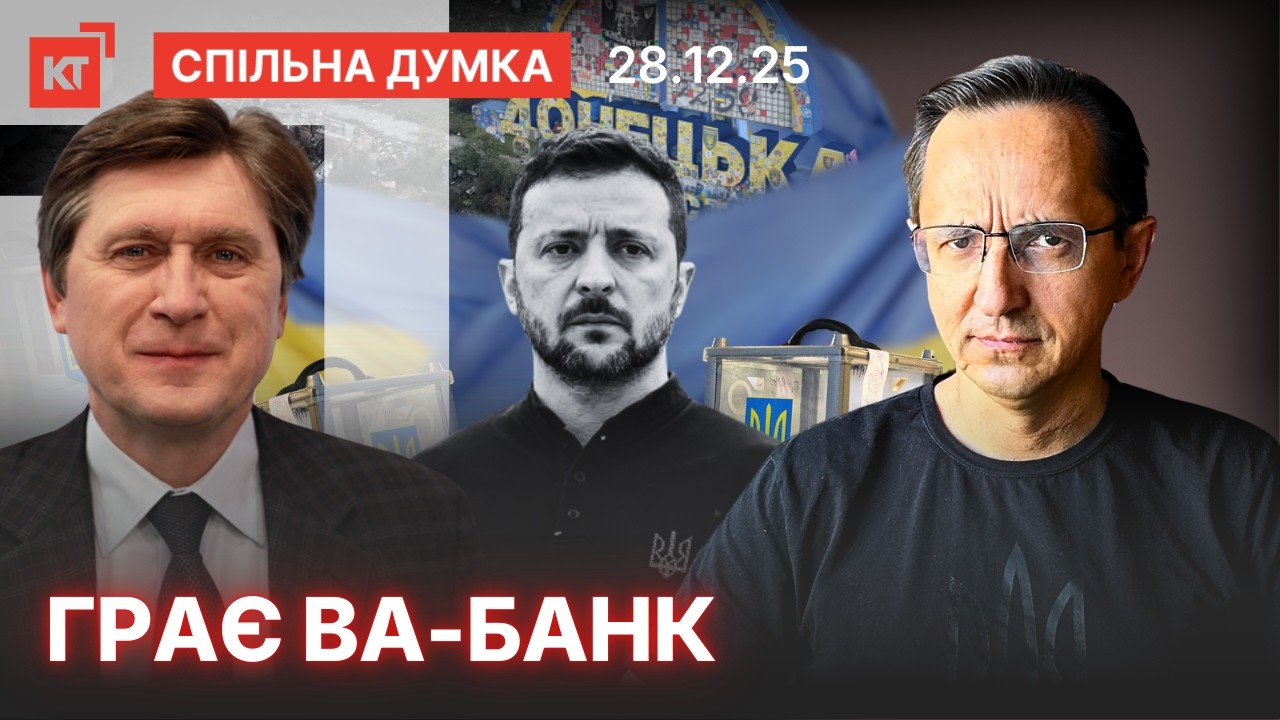
Ukraine is expected to hold elections as soon as possible after signing a peace agreement, yet even President Zelensky has not provided concrete details on the matter.
Experts note that this approach largely follows the Russian logic seen in past negotiations, recalling that the initial discussions on agreement terms began in Istanbul with US approval.
The topic of elections may present Zelensky and his team with a political opportunity for re-election, but poses considerable risks for the state.
The US plays a crucial role: no publication of negotiation texts occurs without American consent. The first leak apparently came from the Ukrainian President's Office, and further disclosures have only been coordinated with the US. American officials realize secrecy in Ukraine often breeds conspiracy theories and resistance, so agreeing to publication is seen as a way to prepare public opinion for possible terms of a deal.
Europe's role is secondary in the process: talks about ending the war are primarily between Ukraine, the US, and Russia. European countries typically participate only in the final stages. Looking ahead, complex negotiations are expected, involving security guarantees, sanctions, and NATO relations.
For the US, it is important to speed up the process while also preparing the Ukrainian public for tough terms, especially regarding Donbas. Public attitudes are being shaped for possible compromises that may require citizen approval.
There is also discussion of a possible referendum on Donbas, with responsibility for such proposals often attributed to international partners. This allows the government to deflect direct responsibility and puts pressure on parliament.
Including elections in a peace agreement is viewed as risky, as Russia could use it to question the legitimacy of Ukrainian authorities and demand access for pro-Russian forces in the media space.