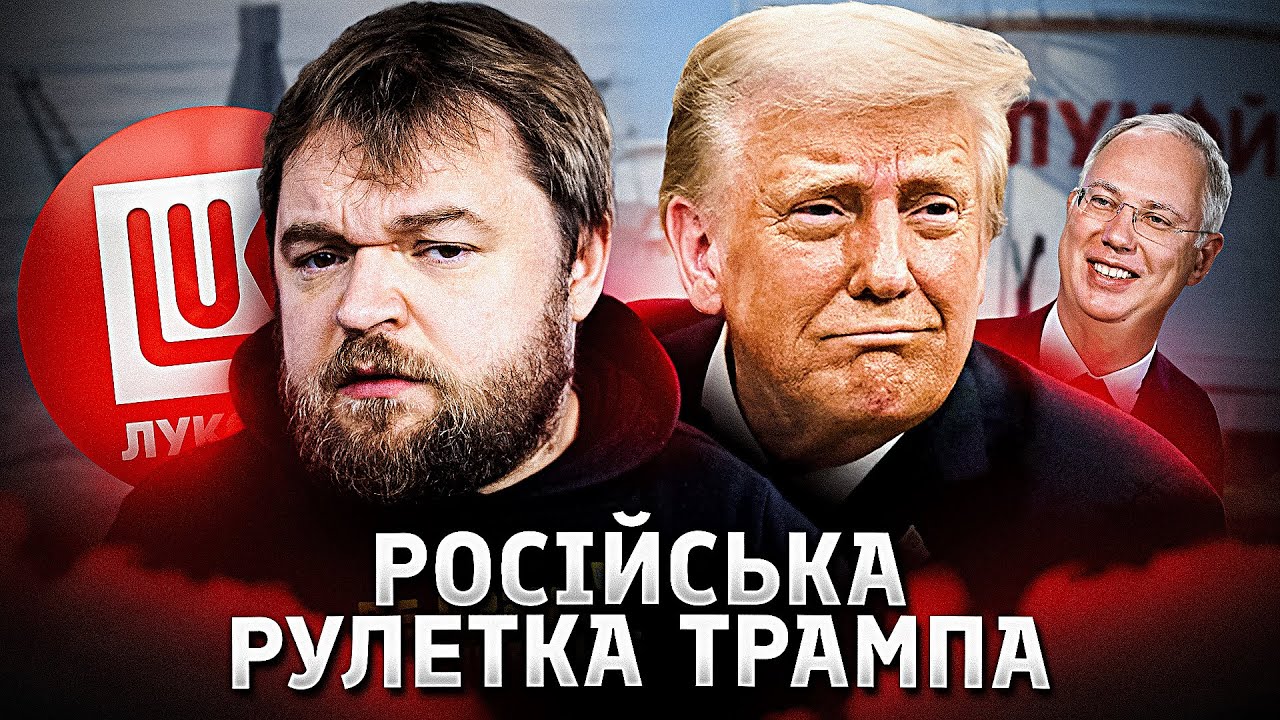
Fredovych’s first year in power is nearing, with his team pushing for lucrative cooperation with Moscow—from the "Golden Gas" idea to major business deals. American businessmen, including Trump, Vitkov, Kushner, and Musk, have been eager to believe Russian intermediaries’ promises of profit from Russia’s resources.
Kirill Dmitriev, closely linked to the Kremlin, is the main intermediary with the US, offering renewed business contacts and market access in exchange for a Kremlin-friendly peace with Ukraine. A major focus is the return of American companies, especially in energy. Exxon Mobil, which left the Sakhalin-1 project in 2022, is now in talks about re-entry. Chevron explores buying Lukoil’s assets.
However, the Russian economy faces significant difficulties: growing corporate losses, confiscation of Western assets, and restrictions on dividend repatriation. The US Congress maintains oversight of sanctions, and recent bills tighten controls over financial, banking, and transport sectors.
The only sector operating smoothly is fertilizers, with Russian exports to the US up 60%. US business is interested, but risks are substantial—lack of legal guarantees, threat of expropriation, and political dependency.
The reality is that Russia’s market is open only for insiders, while potential gains rarely outweigh the risks due to a weak, restrictive economy. Thus, dreams of a Moscow “Eldorado” remain illusory for most.