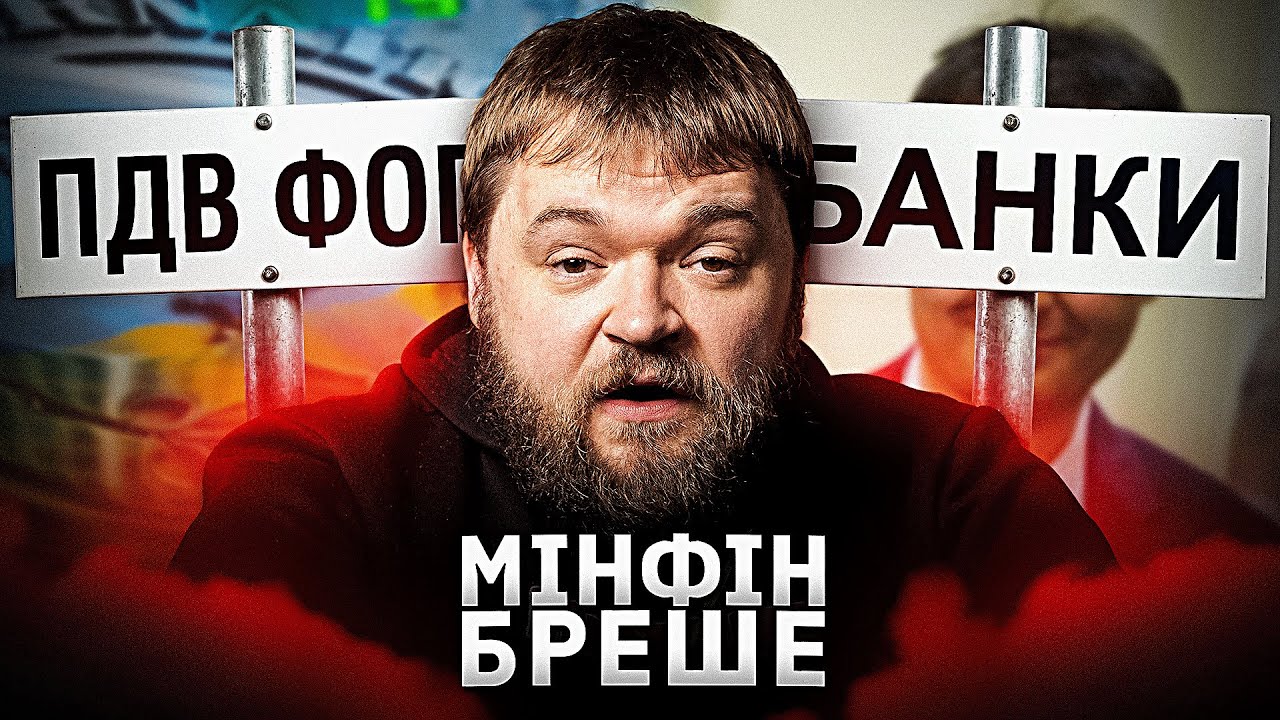
Ukrainian authorities regularly justify tax increases or new levies by referring to 'IMF demands,' framing these decisions as unavoidable and imposed from abroad. This article examines two recent cases: increased profit tax rates for banks and the introduction of VAT obligations for sole proprietors on the simplified system.
In December, the president signed a law raising the profit tax for banks to 50%, arguing it was needed to boost the budget during wartime. However, the IMF openly opposed the move, highlighting risks to policy predictability and bank capital. Despite this, Ukrainian authorities ignored the fund's position and enacted the law.
The other example concerns plans to require simplified-system sole proprietors with annual income above 1 million UAH to pay VAT. Though authorities claim this is an IMF demand, it was actually proposed by Ukraine's Finance Ministry. The IMF accepted this provision in the memorandum at Ukraine’s initiative. Such measures are expected to negatively affect small businesses, potentially driving many into closure or the shadow economy.
These cases illustrate how unpopular policies are often presented as external requirements, while in reality they originate from domestic initiatives. Experts note that the IMF does not mandate specific mechanisms and that Ukrainian authorities should clearly explain their policy decisions instead of shifting responsibility to international partners.