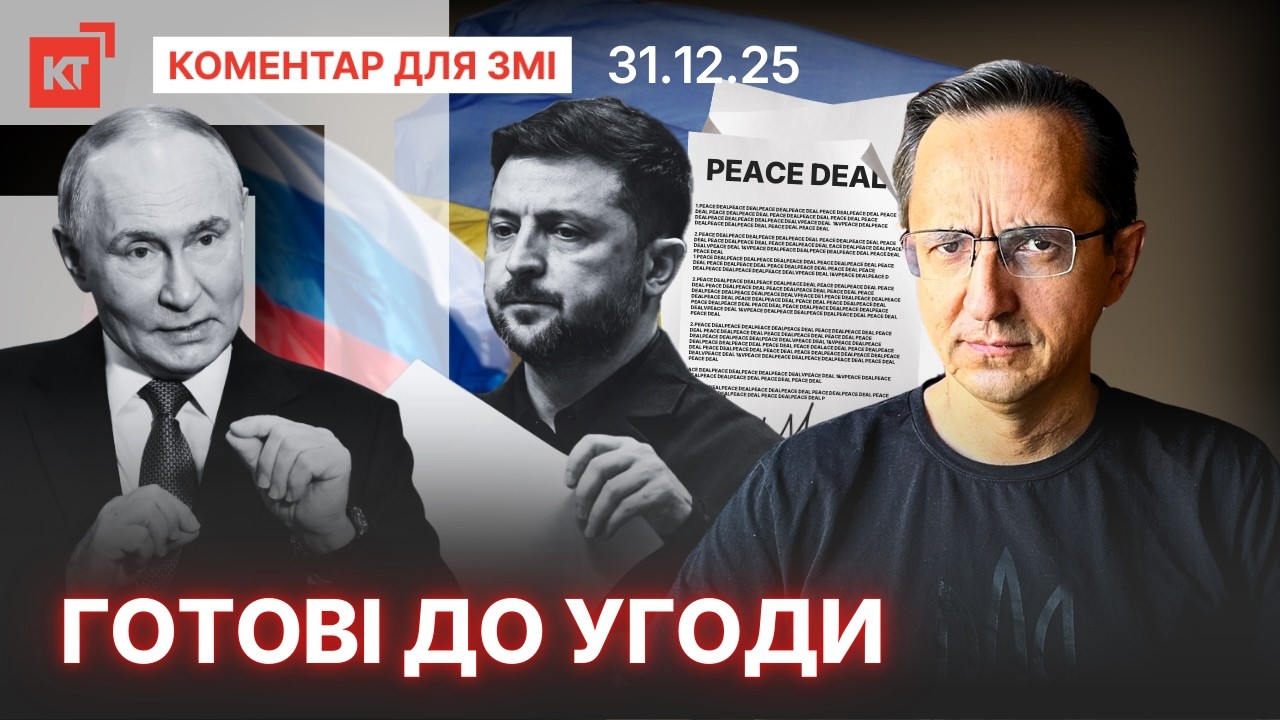
The latest talks between Ukrainian President Volodymyr Zelensky and former US President Donald Trump highlighted significant differences in their approaches to ending the war and organizing elections in Ukrainian territories.
According to the expert, Ukraine currently holds a more advantageous negotiating position compared to Russia. Both sides appear to be moving toward freezing the conflict, with the main issues being the timing and terms of such a decision. Kyiv seeks to gain the most favorable conditions, while Moscow promotes its own demands—such as enabling voting by Ukrainians in Russia and in temporarily occupied territories, and requiring Ukrainian forces to leave the Donbas.
A key disagreement lies in sequencing: Russia insists on signing an agreement and enforcing a ceasefire before holding elections, while Zelensky wants a plebiscite first, then an agreement, with an interim ceasefire period. The creation of a free economic zone is a central but contentious element, especially regarding who would have administrative and legal control over it.
The possibility of holding elections under martial law is also debated. The expert notes this could create unequal campaigning conditions, and that lifting martial law and allowing the armed forces to participate may shift the political balance. Security guarantees from the US and Europe are also under discussion, but reaching consensus could take years.
The negotiations are complicated by the lack of clear mechanisms and by the sides’ differing approaches. Administrative control of the potential free economic zone may be transferred to an international mission. Both parties remain in search of compromise, with the issues of elections and peace terms still at the center of heated debate.