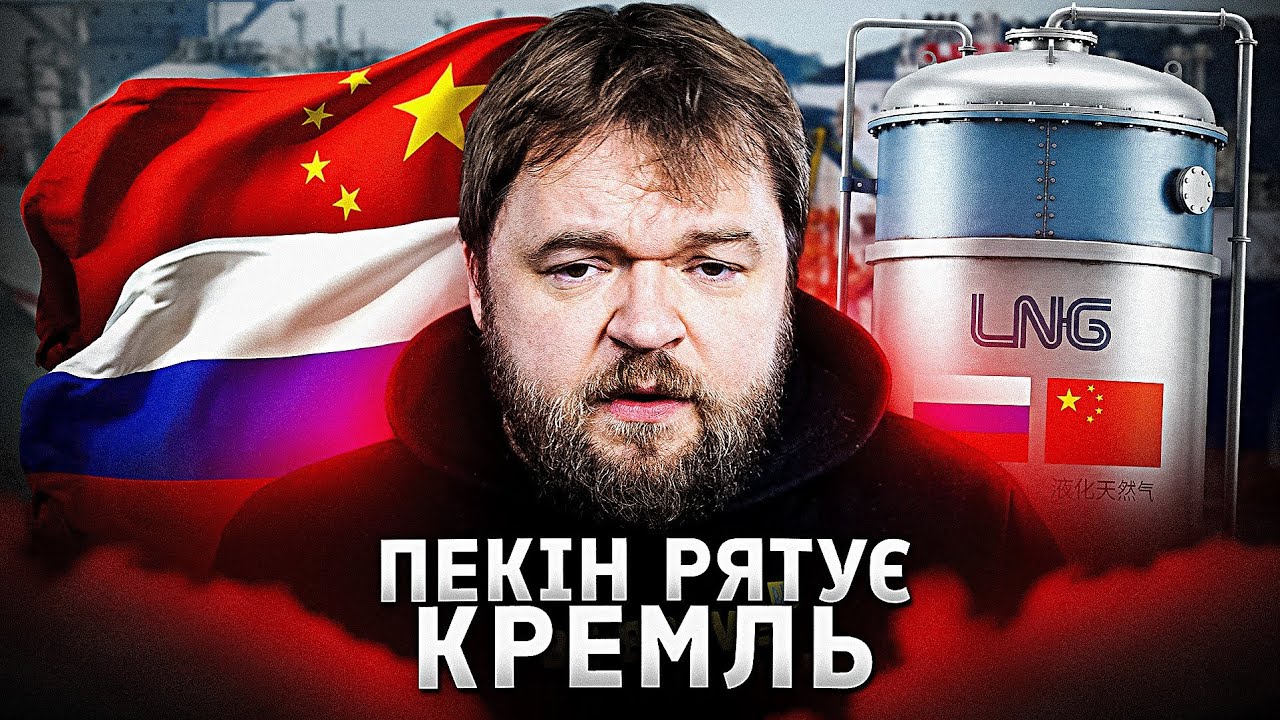
Since the full-scale invasion, China has steadily rescued Moscow’s economy from collapse. Last year, trade between the countries reached a record $245 billion, and the share of Chinese goods in Moscow’s imports rose from 23% in 2021 to 57%.
China supplies a wide range of products: from cars and microchips to household electronics and industrial equipment. According to the German Foreign Ministry, up to 80% of critical imports for Moscow’s military industry pass through China in one form or another.
Beyond direct trade, China helps Moscow bypass Western sanctions. For example, a network of shell companies was organized to transport sanctioned gas via the Beihai port. Since August 2025, this port has received more than 20 shipments worth at least $500 million, using a shadow fleet of 15 tankers.
This cooperation allows China to achieve strategic goals: it receives resources at a discount and strengthens Moscow’s dependence. At the same time, China avoids broad sanctions, balancing its support to preserve the partnership without incurring major risks for itself.
Western sanctions have complicated trade but have not stopped it entirely. The US administration and other countries have gradually tightened pressure, but China and Moscow keep finding ways to circumvent restrictions. The system endures due to the political will of both governments, helping Moscow avoid economic collapse.
Chinese banks and companies continue to facilitate this trade, making Moscow ever more dependent on China. Main threats to the shadow fleet include an aging fleet and insufficiently trained personnel, increasing transportation risks.
Moscow's dependency on China extends across resources, technology, and finance. As a result, Beijing gains a lucrative partner and cheap resources, while Moscow manages to avoid collapse under sanctions pressure.