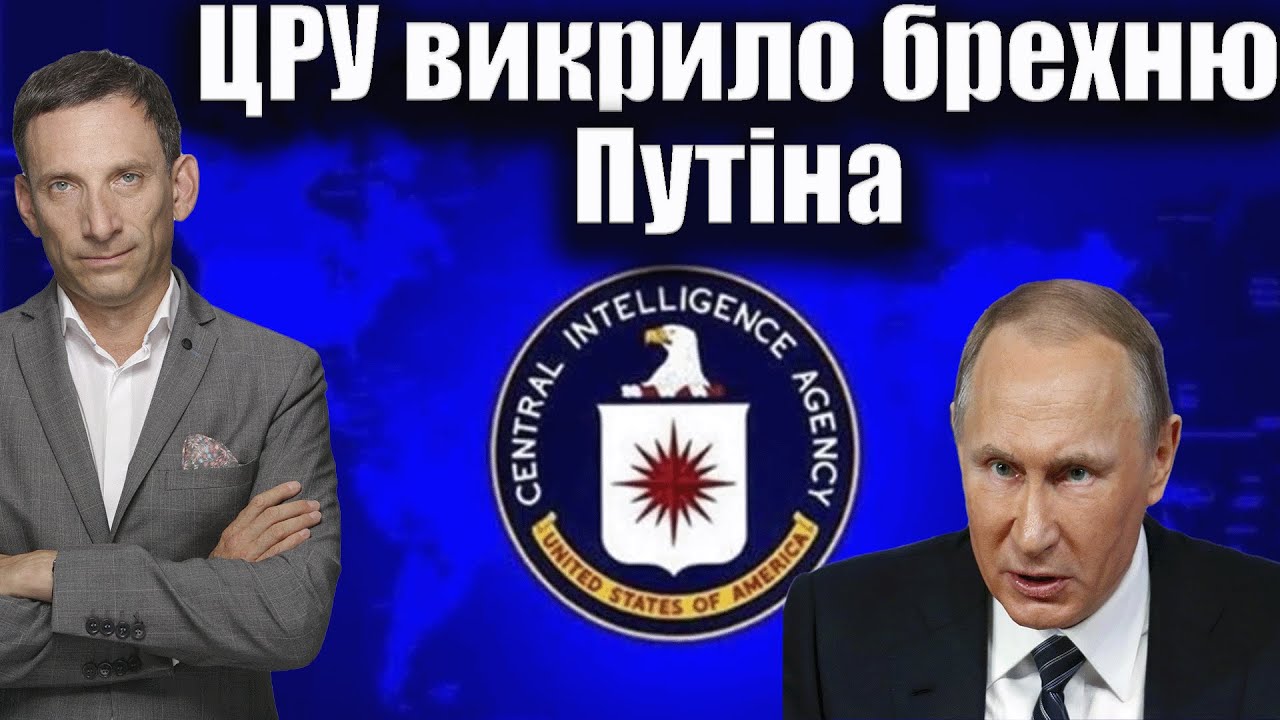
The US National Security Agency and CIA, according to the Wall Street Journal, have found no evidence to support Russia's claim that Ukrainian drones attacked Putin's residence in Valdai. US officials stress that the actual target was located dozens of kilometers from the residence, so Putin’s safety was never at risk.
Meanwhile, Donald Trump reposted a New York Post editorial alleging that Putin himself is blocking an end to the war in Ukraine. The publication refutes the drone attack story and urges readers not to trust Kremlin information campaigns.
As Vitaly Portnikov points out, Trump’s reaction and the US fact-checking process exposed the Russian president’s disinformation. By not even staging a convincing event, Putin employs such fakes to delay peace talks and push a format where only the US and Russia decide Ukraine’s fate—excluding Ukraine itself.
In Moscow’s view, Ukrainian President Volodymyr Zelensky is expected merely to accept decisions made by others, not act as an independent player. Putin’s refusal to engage with Zelensky is part of a broader effort to deny Ukraine’s legitimacy.
The exposure of Russian bluffing gives Washington more grounds for a tougher stance on the Kremlin's next steps in peace processes. The main issue now is how to pressure Russia into real negotiations rather than information manipulation.