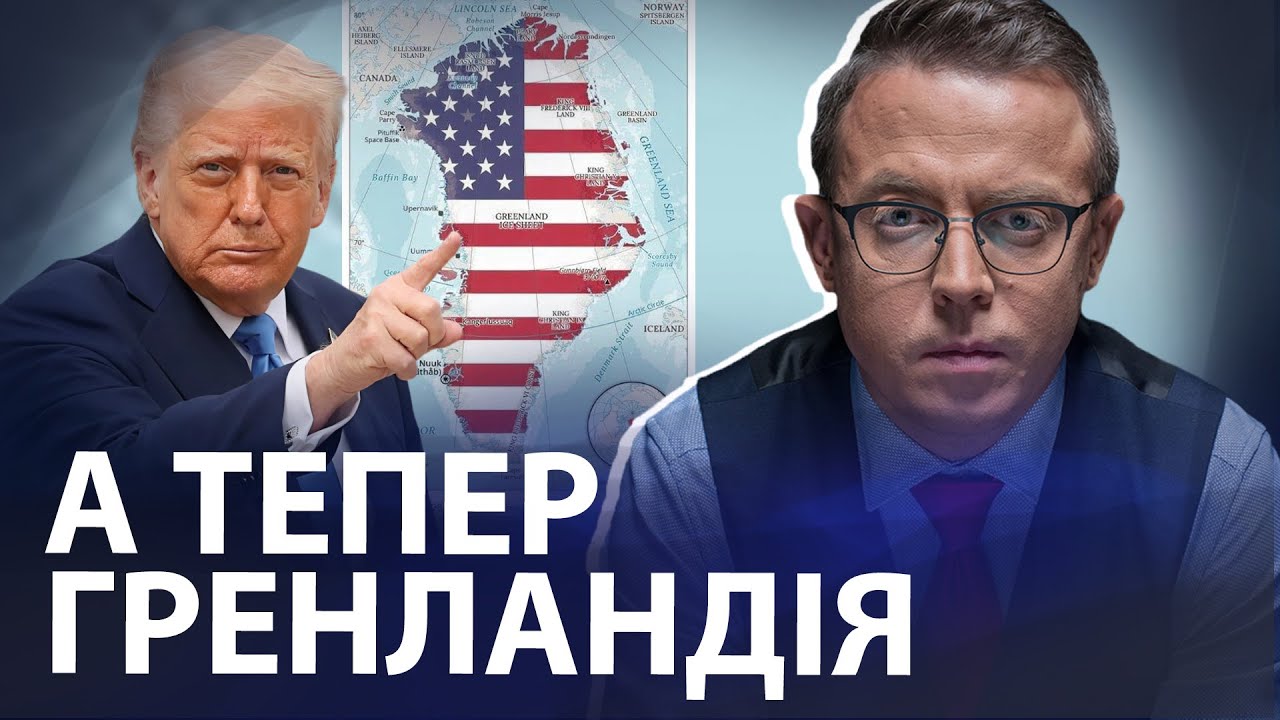
Events on the world stage are moving rapidly, with Greenland now in the spotlight. The island possesses more than 50 types of rare minerals that are strategically important for the world economy. These deposits can secure the future of the controlling power for decades or even centuries ahead.
The island's unique geological conditions have formed powerful layers of mineral-rich rocks, containing molybdenum, terbium, copper, and other resources vital to steel production, defense, and electronics. Currently, China dominates the supply of such minerals globally, fueling strategic competition.
The US seeks to counterbalance China in controlling these resources. Until recently, Chinese companies held the majority of development licenses in Greenland, but the situation is shifting in favor of Western investors. Denmark, which formally owns Greenland, lacks the resources to independently develop the island, making large-scale international investment crucial.
Developing Greenland faces technical, financial, and social challenges, including resistance from the indigenous Inuit population. Major investment comes from US transnational corporations. At the same time, since 1951, Greenland has been part of the US and NATO defense system, hosting strategic airbases and early-warning radar systems against missile launches.
Control over Greenland means influencing the entire Arctic region, which is vital for Europe's security and the distribution of global resources for the next 100-200 years. Preventing Chinese dominance in the Arctic, especially in cooperation with Russia, is a key geopolitical objective.
The issue of Arctic resource allocation and control remains one of the central themes in 21st-century global politics.