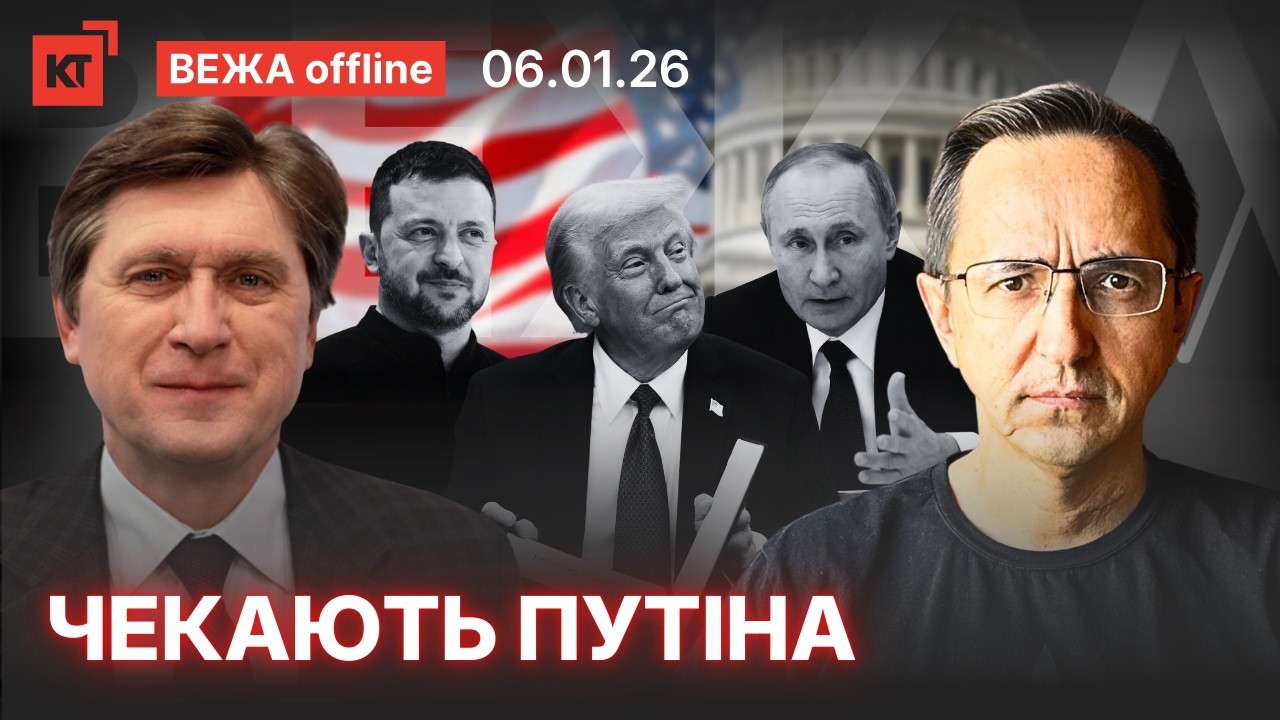
On January 6, the Veza Center for Civic Analytics summarized the information day with political analyst Volodymyr Fesenko, focusing on the outcomes of negotiations in Paris involving European leaders, US, and Ukrainian representatives.
The talks centered on security guarantees for Ukraine, rather than a peace agreement. The presence of the US delegation was noted as significant, with a joint declaration involving both the US and European partners highlighting coordinated positions.
Attention was paid to Ukraine’s revamped negotiation team, which now includes key figures such as Kyrylo Budanov, Davyd Arakhamia, Rustem Umerov, and others. President Zelensky’s approach is to balance influence within the negotiation process, preventing monopolization by a single person or institution.
The signed security agreements currently hold political rather than legal force, with ongoing efforts to have them ratified by partner countries’ parliaments. The discussion also covered Russia’s delaying tactics and Ukraine and its allies’ aim to strengthen their joint position ahead of further negotiations.
The second part of the discussion explored the external factor of Venezuela and its influence on the negotiation format with the US and Europe. While the new Trump administration’s focus partly shifts to the Americas, the core process involving security guarantees for Ukraine continues through special US representatives.
Overall, experts highlighted Ukraine’s need for international support, the importance of maintaining American interests in the region, and the search for compromise among all major players to safeguard security and make progress in negotiations.