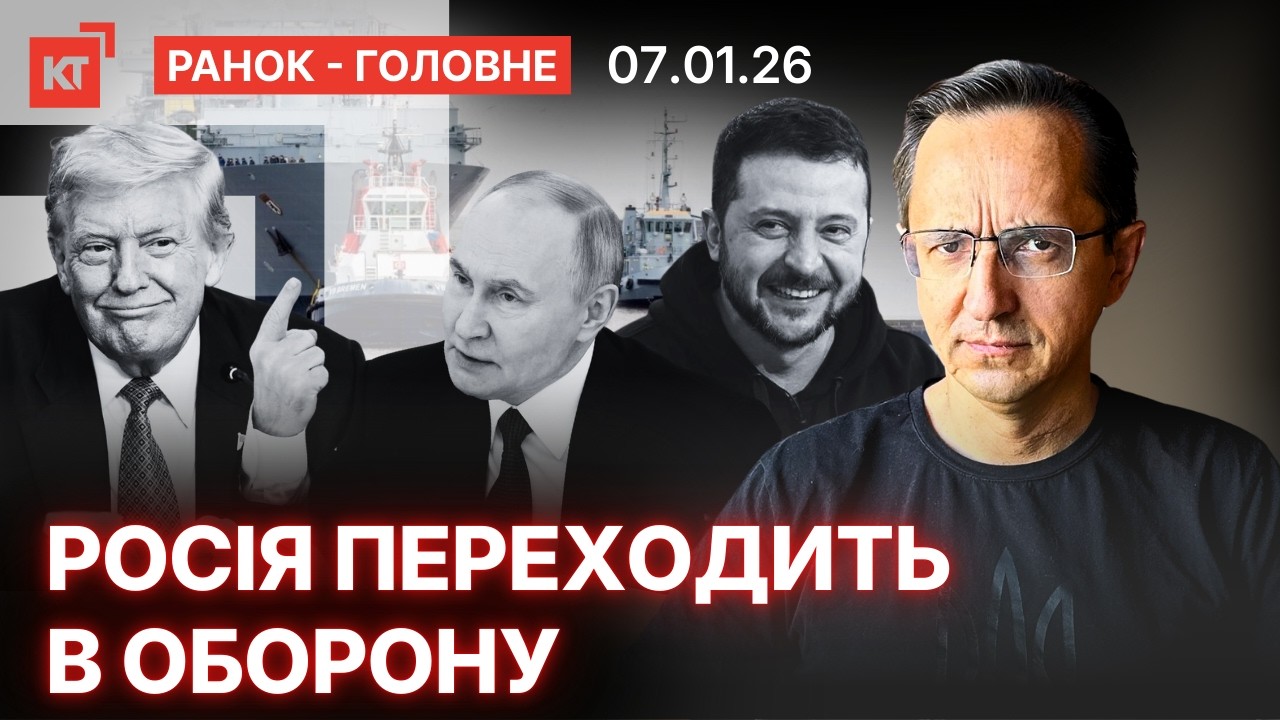
On January 7th, Paris hosted the second day of the "Willing Coalition" summit, originally intended to last just one day. The presence of the American delegation extended the talks, enabling in-depth discussions about security guarantees for Ukraine and plans to achieve peace.
The Ukrainian delegation was represented by the Head of the Presidential Office Budanov, Secretary of the National Security Council Umerov, and Chief of General Staff Hnatov. The US was represented by Vitkov and Kushner, with European country representatives also participating. Meanwhile, President Zelensky was in Cyprus for meetings with local officials.
At the conclusion of the meeting, leaders of Ukraine, France, and the United Kingdom signed a declaration of intent concerning the future deployment of multinational forces in Ukraine. After a ceasefire, France and the UK plan to establish military hubs throughout the country. Ukraine’s Defense Forces are set to form the first line of defense, with financing provided by Western partners. Plans also include the creation of a joint coordination center for armies and US-led ceasefire monitoring involving European nations.
No detailed overall plan or communiqué was presented—only the tripartite declaration of intent. Some nations announced they have no current plans to send troops but may participate in multinational forces after a ceasefire is established.
On the economic side, the US announced a post-war prosperity project for Ukraine with the involvement of BlackRock. European partners voiced their willingness for humanitarian and military support, but precise volumes remain unclear.
The US is also conducting parallel negotiations with Venezuela to deliver up to 50 million barrels of oil amid tightened sanctions against Russia. The Trump administration demands that Venezuela cut economic ties with China, Russia, Iran, and Cuba and agree to exclusive oil partnership with the United States—otherwise, forceful measures could follow.
Following the announcement of possible Venezuelan oil deliveries, global oil prices dropped significantly, increasing pressure on the Russian economy. The US is increasing pressure on Venezuelan leadership to reach a deal.
Additionally, US Secretary of State Marco Rubio announced US intentions to gain control over Greenland for national security, without ruling out military influence.
In response, Russia has increased defensive measures against a potential US attack. Meanwhile, reports have surfaced about a shadow fleet oil tanker protected by Russian military forces as it tries to evade US Coast Guard pursuit, indicating heightened tensions in global energy security.
Negotiations in Paris and concurrent US geopolitical moves have had a major impact on regional security and energy dynamics.