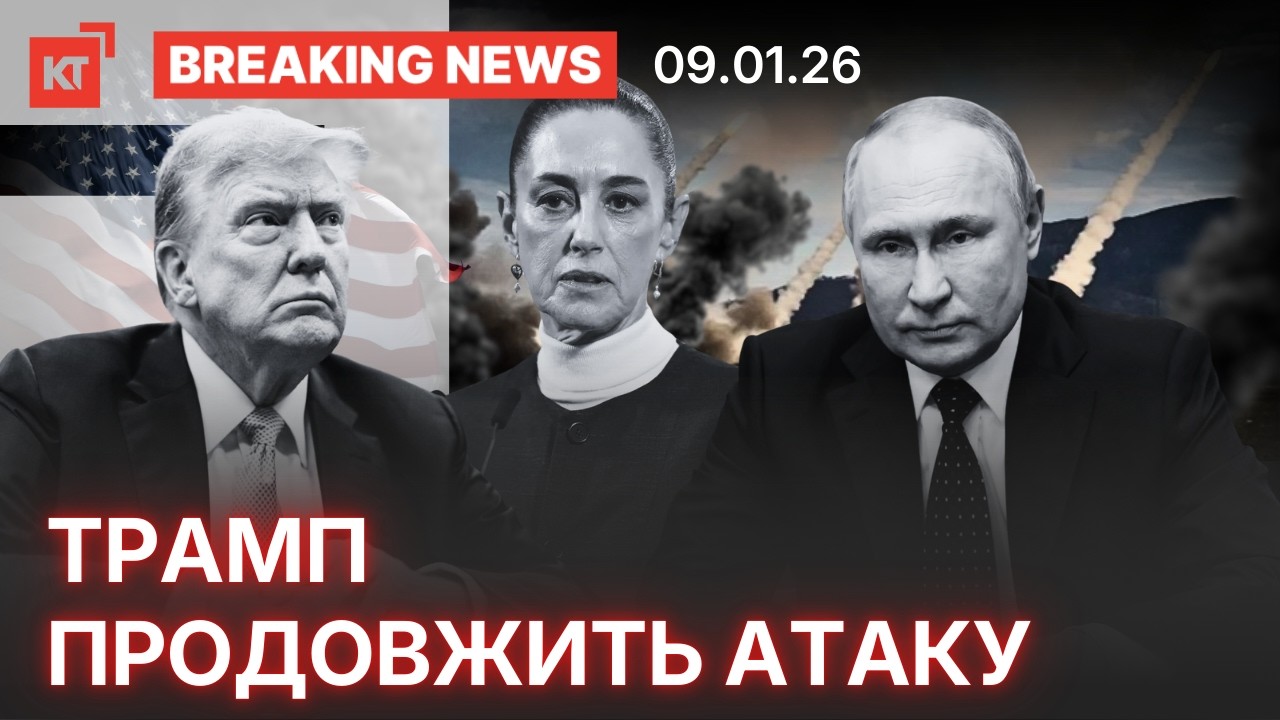
January 9 was a turbulent news day for Ukraine. Russia launched a massive missile and drone attack on Kyiv, Kyiv region, and Lviv region, resulting in civilian casualties and destruction. In Kyiv, four people, including a medical worker, were killed and over 25 injured. The occupiers used repeat strike tactics aimed at rescuers and medics. Seven out of ten districts of the city were affected.
In Kyiv region, there were reports of destroyed houses and fires. Rescuers evacuated people from basements, including a five-year-old child. In total, 244 air targets were shot down, including 226 drones.
In Lviv, Russia struck critical infrastructure with a ballistic missile - the first such case since the start of the full-scale war. Ukraine has initiated meetings at the UN Security Council and the Ukraine–NATO Council. Analysts note this strike is a signal to the West of escalation and intimidation.
Russia claimed the strike was in response to an alleged attack on Putin's residence, but there is no evidence to support this, and Ukrainian officials have denied the claim.
Meanwhile, a new corruption scandal erupted as the State Bureau of Investigation uncovered a scheme involving the supply of non-functional mines for Ukraine’s Armed Forces, causing nearly 3 billion UAH in losses. Instead of quality ammunition, unfit munitions were delivered, and state funds were embezzled. Investigations and legal actions are ongoing.
Starting January 16, foreigners who acquire Ukrainian citizenship will officially be able to purchase land under the new law on dual citizenship, potentially impacting the land market and economy.
Internationally, Donald Trump announced support for postwar security guarantees for Ukraine but made a controversial statement about Greenland, indicating a choice between the island and US membership in NATO. The US also hinted at tougher actions against Mexican drug cartels.
These events are shaping Ukraine’s new political and economic landscape and the international arena.