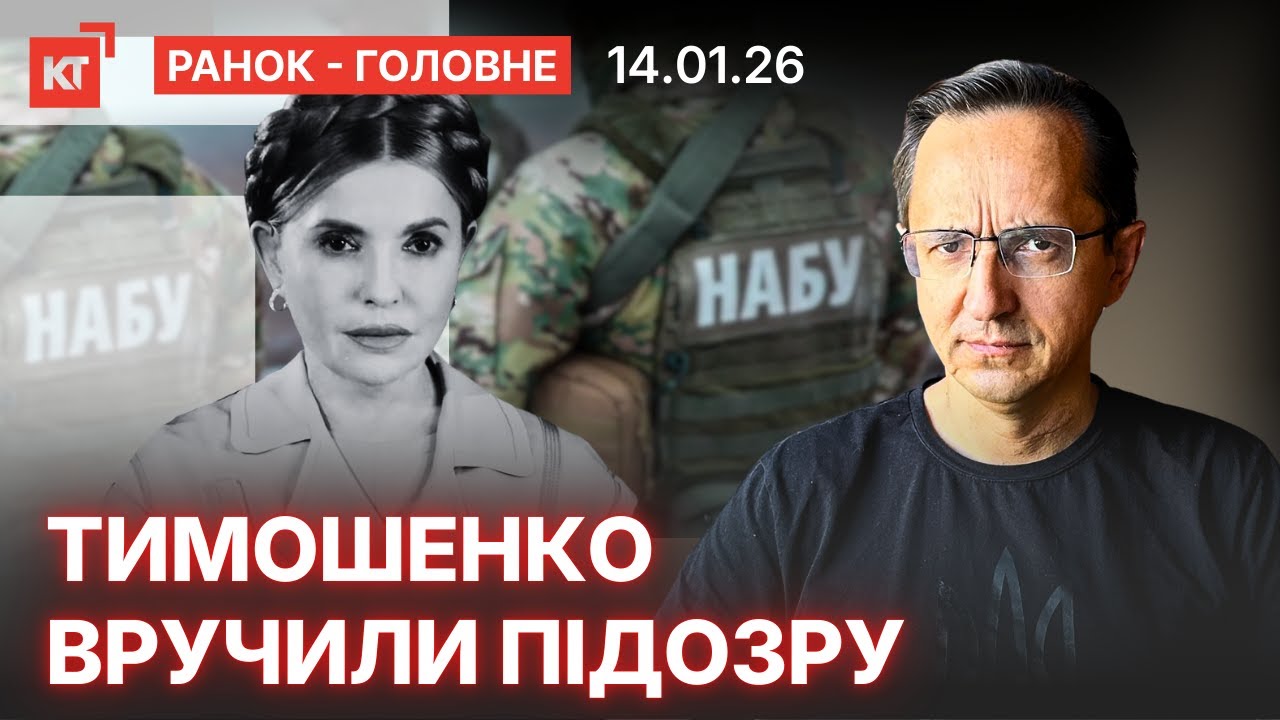
January 14 in Ukraine was marked by a new corruption scandal. According to sources in the National Anti-Corruption Bureau and the Specialized Anti-Corruption Prosecutor's Office, Yulia Tymoshenko, leader of the Batkivshchyna faction, has been served notice on suspicions of bribing members of parliament. Searches were conducted in her office, and the parliament is preparing for government reshuffles. Meanwhile, Ukraine's anti-corruption agencies are intensifying control over deputies from various political forces.
Internationally, G7 leaders plan to press Donald Trump during talks in Davos. Leaders of Italy, Germany, France, Canada, and the United Kingdom intend to secure US support for security guarantees for Ukraine, especially after any potential ceasefire. European allies underline they will not send troops to Ukraine without direct US backing—the main role remains with the United States.
Meanwhile, the situation in Ukraine remains tense due to renewed shelling. Overnight, Russian forces attacked with three ballistic missiles and over a hundred kamikaze drones. Most were intercepted by air defense, but there were strikes and damage across several regions, particularly in Kharkiv and Kyiv. In response, Ukrainian forces targeted oil storage and infrastructure in Russia, leaving over half a million Russians in Belgorod region without heat or electricity.
On the international front, Iran is seeing mass protests and high casualty numbers. Donald Trump has urged Americans and allies to leave Iran, while exiled crown prince Reza Pahlavi is named as a potential new protest leader, urging the military to join demonstrators. However, authorities are cracking down on protests and accuse Western states of interference.
Further updates to follow.