Russian oligarch Oleg Deripaska has publicly criticized the government's actions, claiming that the country is "simply losing everything." Deripaska, founder of the metals giant Rusal, spoke out against the Kremlin's economic policies, stating that recent years’ achievements are being squandered.
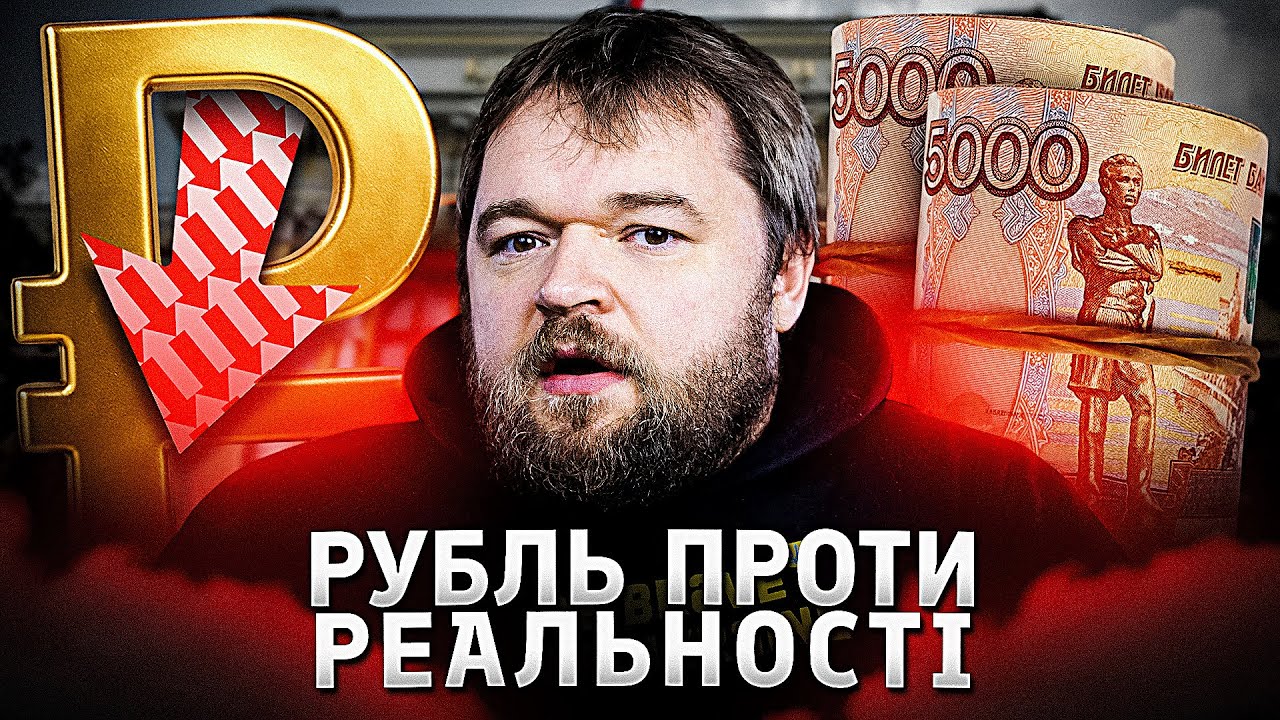
Deripaska specifically pointed to the artificial maintenance of the ruble's value, while real market indicators greatly differ. The ruble is currently kept at 78-80 per US dollar, while the Finance Ministry projects an average of 92 rubles per dollar by 2026. He believes these measures aim to avoid a banking crisis, as Russian banks are heavily dependent on ruble deposits from citizens and companies.
Meanwhile, many Russian regions are facing severe delays in salary payments to public sector workers due to record budget deficits, which could reach 700 billion rubles. Problems are reported in healthcare and education institutions, along with blocked accounts at schools unable to pay suppliers.
Deripaska and other major business leaders are also reporting losses. Gazprom, for example, registered a $13 billion loss after withdrawing from the European market, and Rosneft has seen net profit drop by 70%.
Despite the mounting crisis, some regions are increasing payments for signing military contracts, even as budget problems persist in the social sector. International financial organizations forecast stagnation for the Russian economy and a further decline in investment.
Experts note that, even after the end of the war, Russia will continue to face major economic challenges, with the government's strategy to prioritize military spending and maintain ruble stability likely deepening the crisis.