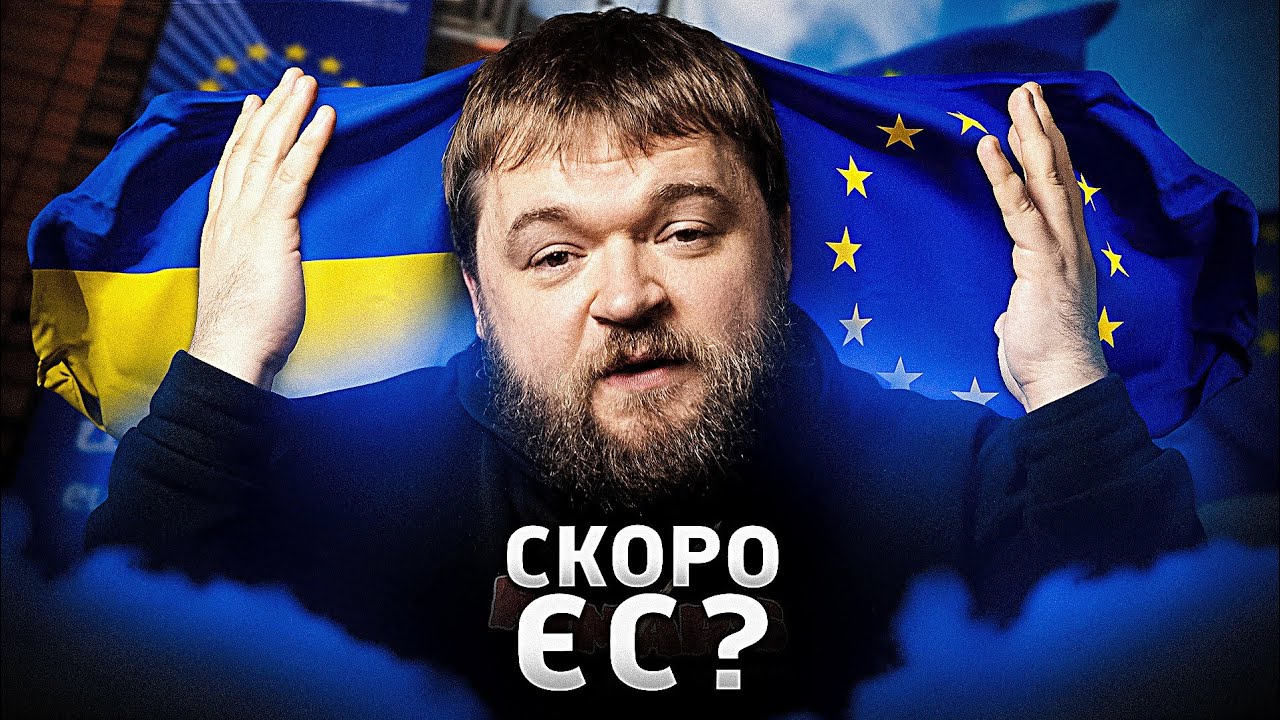
European media are abuzz with drafts of a peace plan that indicate Ukraine may join the European Union as early as 2027. While this is a positive prospect for some, it also presents complex challenges for Europe.
Ukraine's accession to the EU is expected to be gradual rather than immediate and full-fledged. This process requires institutional reforms, economic transformations, and the removal of customs barriers with EU countries. Additionally, Ukraine must adapt its tax and fiscal systems, which heavily rely on customs revenue.
According to one scenario, Ukraine would gain access to structural funds, the EU single market, and subsidies, but would not have voting rights at the initial stage. As reforms progress, Ukraine would gradually acquire more participation in EU decision-making.
This accelerated integration format may provoke questions from Balkan countries and Turkey, which have long been waiting for EU membership after meeting many requirements. There may be concerns about double standards, yet the post-2022 global context prompts the EU to consider new approaches.
Some see Ukraine's swift integration as a security measure, expecting EU membership to deter further Russian aggression. However, experts argue that real security is rooted in specific guarantees, military presence, and direct support from allies, including the US.
Among the risks is the possibility Ukraine could remain long-term without voting rights, limiting its influence on key decisions despite participating in EU structures.
The U.S. political context is also present, with the example of the Venezuelan opposition leader publicly gifting the peace prize to Trump—an act with more symbolic than practical value, but meaningful in ongoing political maneuvering.
In conclusion, Ukraine's potential integration into the EU in 2027 is a subject of much debate, deeply affecting both Ukraine’s internal transformation and the future of the European Union itself.