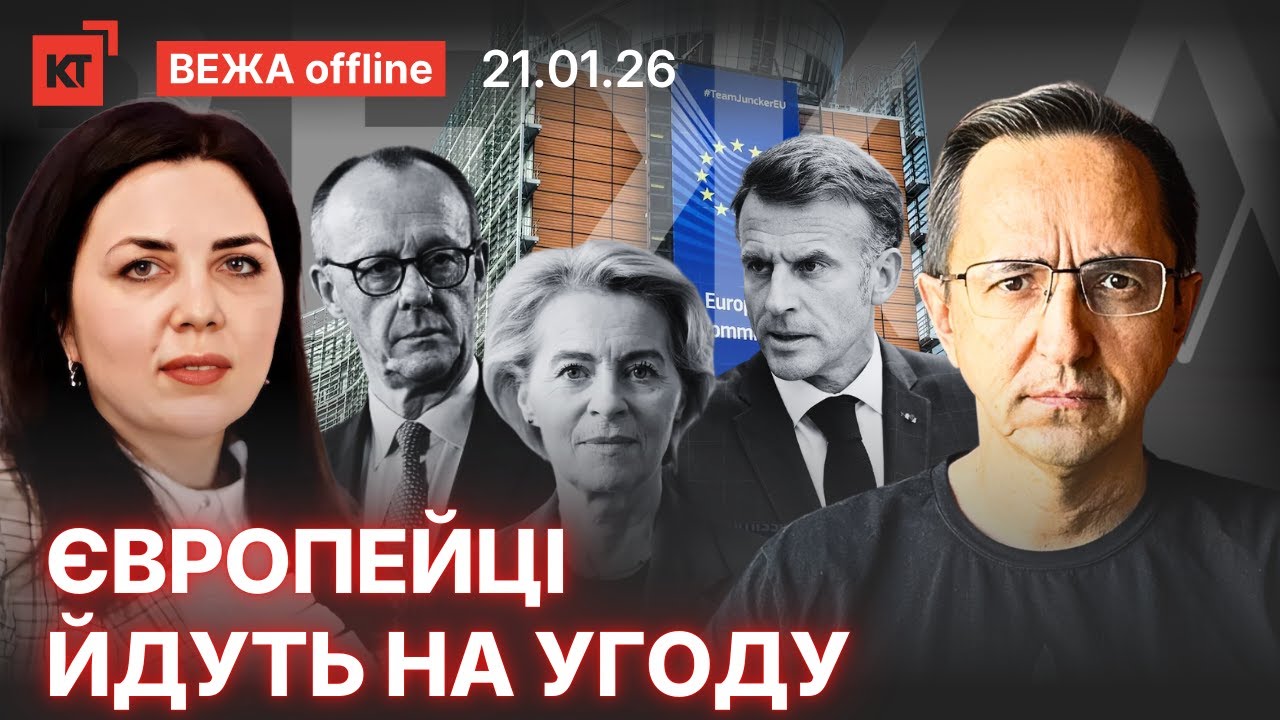
On January 21, the Veza Center for Public Analytics held an online interview featuring Nataliya Butyrska, an expert on the Asia-Pacific region. The discussion focused on growing tensions around Greenland amid the Trump administration’s increased interest in Arctic control. Meetings at Davos and comments by NATO Secretary General Mark Rutte about protecting the Arctic from Russian and Chinese influence took center stage.
Butyrska noted that current rhetoric from European leaders reflects a search for compromise to avoid further escalation between the US and Europe. However, Western states remain concerned about the risk of military conflict. NATO’s stance seeks to retain the US presence, even as the alliance faces internal weakening.
Rutte, who has close ties with Trump, put forward a diplomatic initiative aimed at softening Washington’s stance on Greenland. Meanwhile, Denmark and European institutions have reaffirmed support for Greenland’s territorial integrity, while the US increases its political and economic pressure.
Defense spending was also addressed, with the Polish president highlighting major differences in NATO contributions between the US and EU countries, emphasizing the need for Europe to raise its defense budget.
China and Russia have long viewed the Arctic as a strategic region, but Denmark has limited Chinese involvement in critical infrastructure to curb Beijing’s influence. Still, China’s expansion and its support for Russia in the Ukraine conflict remain a source of concern for Western partners.
Participants concluded that Europe must strengthen its own center of power to counter external pressure, particularly from the US, China, and Russia. Enhancing coordination among European countries and advancing joint security policies is vital, according to the interview’s main findings.