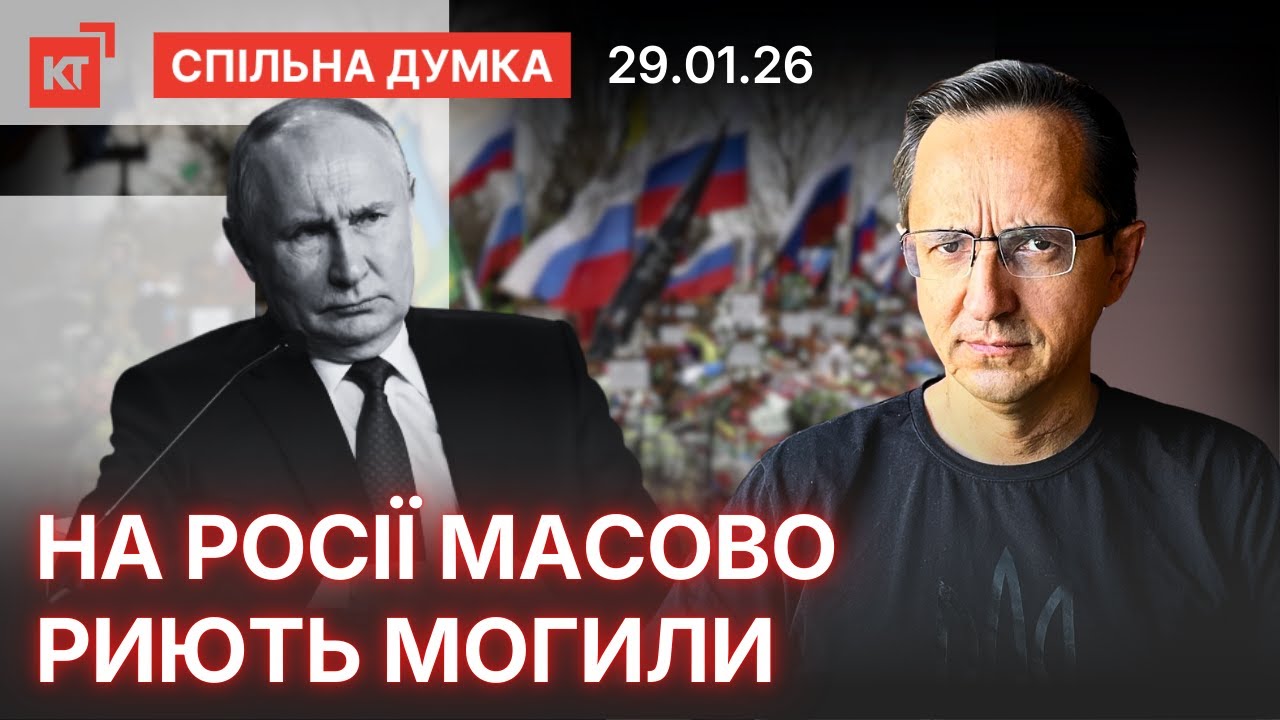
Russia's funeral industry is undergoing significant changes amid undisclosed military casualties. According to the VRKA publication, burial expenses for fallen soldiers have reached new highs this year, with the top five funeral companies earning over 15 billion rubles—a 26% increase compared to the previous year. The surge is driven by rising demand due to war losses and higher service costs.
While official Russian casualty statistics are not published, the funeral sector's growth indirectly points to the scale of losses. The Center for Strategic and International Studies estimates Russia's total military losses (killed, wounded, missing) at around 1.2 million, of which over 325,000 are fatalities.
Meanwhile, Ukraine's security service unit "Alpha" inflicted over $1 billion in damage to Russian equipment last year alone.
European countries have tightened sanctions against Russian oil: 14 nations announced tankers violating rules will no longer operate freely in the Baltic Sea, complicating Russian energy exports and pressuring its economy.
Moscow is also discussing using frozen assets to rebuild territories under its control, trying to reclaim the funds under the guise of reconstruction aid. Experts believe Russia seeks to set a precedent for regaining access to its international finances.
The Russian army's advance remains slow, with significant losses raising questions about the military campaign's effectiveness. These factors affect Russia’s strategic stance both militarily and economically.