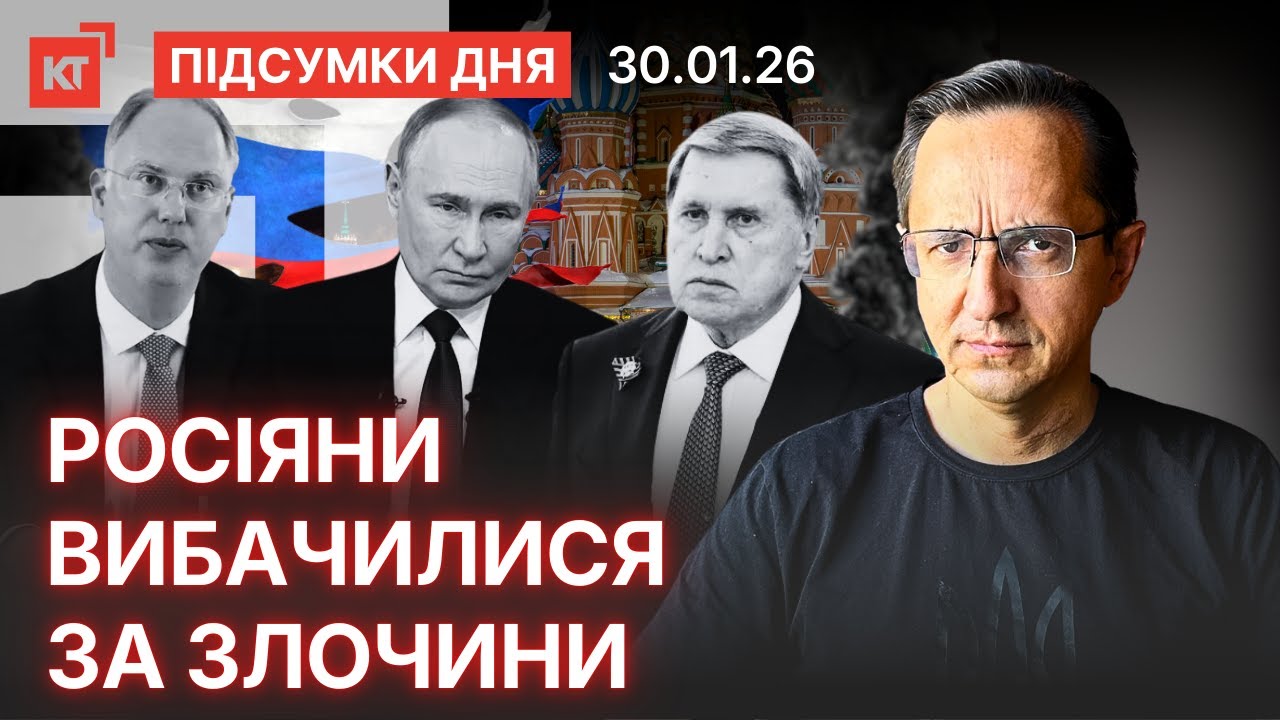
On January 30, Peskov announced that an energy ceasefire agreement between Russia and Ukraine is in effect only until February 1. Talks are scheduled in Abu Dhabi, but the date may be changed due to tensions around Iran. Zelensky confirmed negotiations on the ceasefire and stressed that Russia has now shifted its attacks to logistics targets.
Russia privately apologized for the recent missile strike on a train in Kharkiv region, which resulted in at least six deaths. The Russians explained this as a result of some units not receiving the ceasefire order. Attacks on energy infrastructure could resume from February 1–2.
Lviv authorities advised businesses to create a two-week supply of goods and ensure autonomous power. At the same time, Zelensky commented on the state of talks and American proposals, emphasizing no direct Ukraine–Russia dialogue—Ukraine is ready for a mirrored response.
Zelensky confirmed a change in his stance on security guarantees and reported delays in the supply of Patriot missiles. The possibility of accelerating EU accession talks was also discussed.
Other news: the Anti-Corruption Court set bail for former Border Service head Deineko in a cigarette smuggling case, and the U.S. froze allocated energy aid to Ukraine.
The potential for U.S. strikes on Iranian nuclear sites is under discussion, while the UK and Germany are preparing a new “Ramstein” meeting for February 12. The situation on energy and peace negotiations remains complex and uncertain.