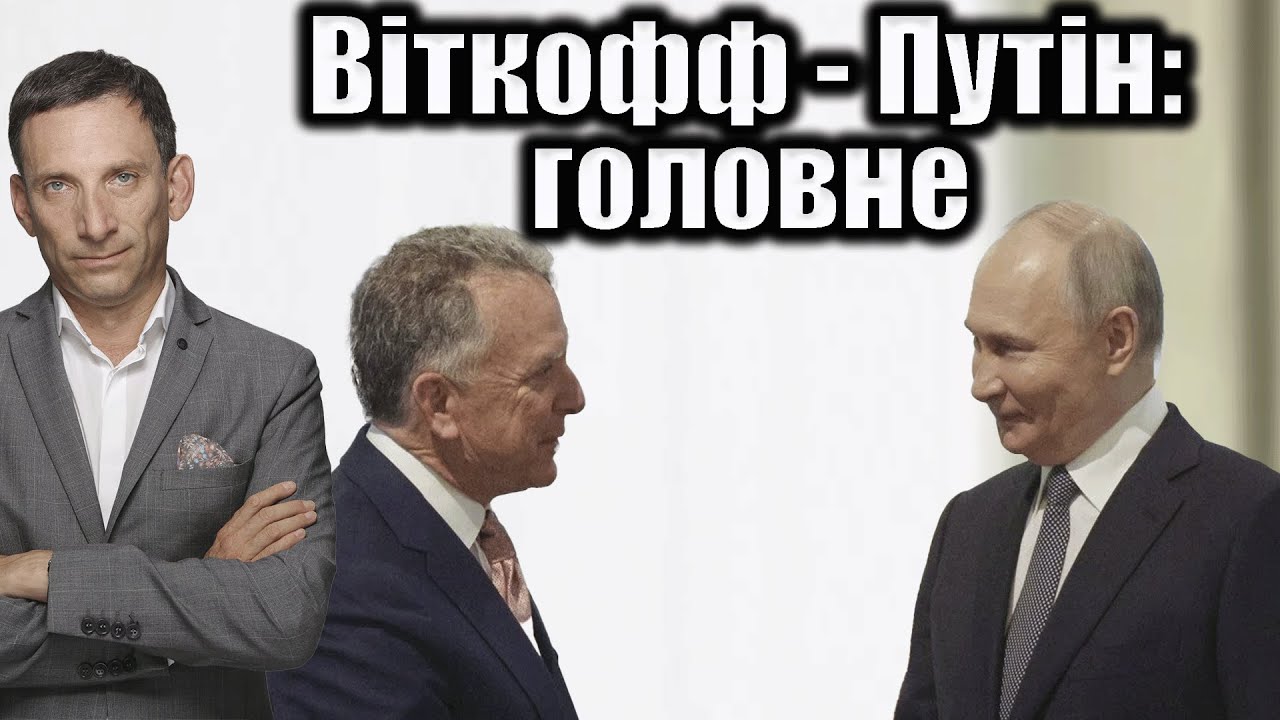
After hours of talks with Russian President Vladimir Putin, US representatives Steve Withoff and Jared Kushner made no public statements and departed for technical negotiations between Russian, Ukrainian, and American working groups in the United Arab Emirates.
Russian presidential aide Yury Ushakov, known for shaping Moscow’s peace plan to avoid new sanctions and protect frozen Russian assets in the West, was more explicit. He emphasized that without addressing territorial issues, there will be no real progress in the peace process.
The Kremlin’s stance remains firmly unchanged—Russia demands the withdrawal of Ukrainian troops from parts of Donetsk region currently controlled by Ukraine. This indicates possible stalling tactics and Moscow’s search for ways to destabilize Ukraine, aiming to pressure Ukrainian leadership under simultaneous influence from both Putin and the Trump administration.
A notable development is Russia’s decision to appoint Admiral Igor Kostyukov, Chief of the Main Intelligence Directorate, as the head of its delegation. Analysts believe this move is intended to provide a strong counterpart to Ukraine’s Office Head Kyrylo Budanov, himself a former intelligence chief, and to elevate the status of talks in the eyes of Donald Trump.
Observers note that Moscow may be considering steps towards an "energy truce" after suffering losses from Ukrainian strikes on its oil infrastructure. However, so far, there is little sign that these structural changes will lead to quick progress toward a settlement. Russia’s negotiations may be aimed at gaining time ahead of a potential shift in US leadership in 2029.
The negotiation process thus remains complex and illustrative of Russia’s shifting strategies. The outcome will depend on the positions of all sides and, in particular, on further Kremlin actions and US reactions.