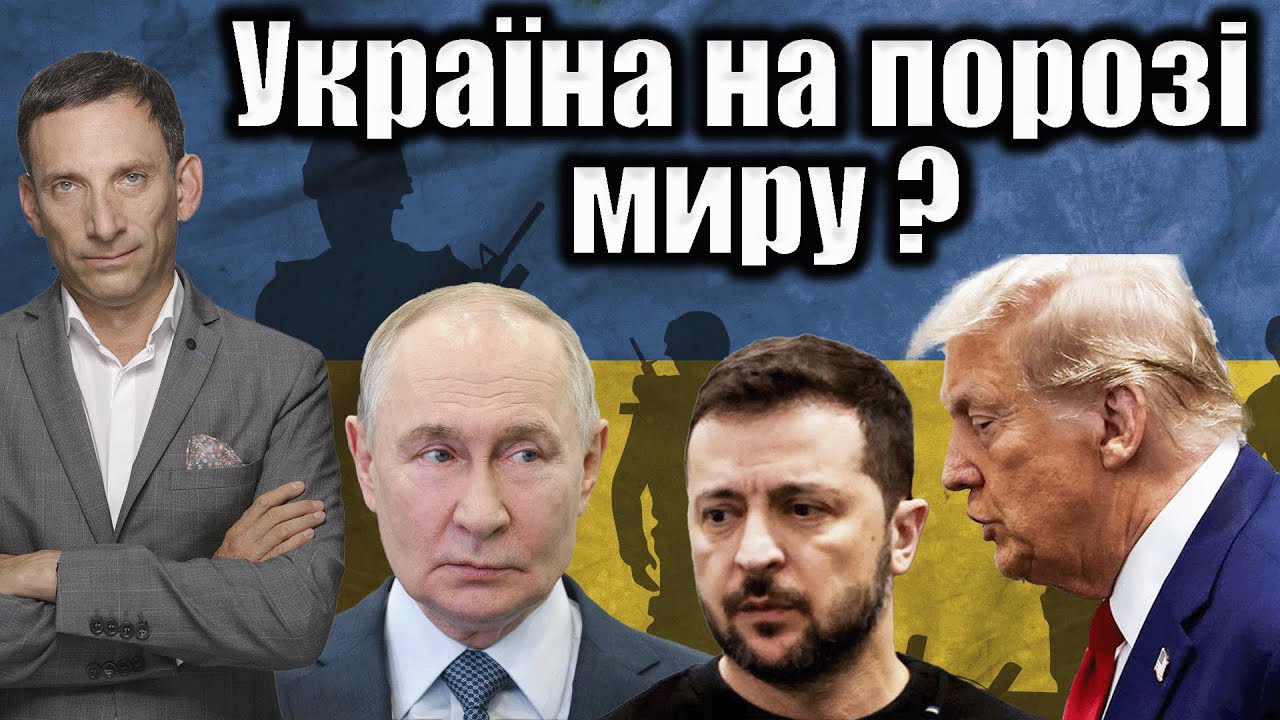
On January 23, 2024, an open event was held in Rome featuring prominent Ukrainian journalist and publicist Vitaliy Portnikov. The discussion centered on Ukraine’s ongoing war with Russia, the main challenges facing the country, intellectual responsibility, postwar justice strategies, and the influence and role of the Ukrainian diaspora.
Portnikov emphasized that since its declaration in August 1991, Ukrainian independence has posed complicated tests for society. Russia’s long policy of hindering Ukraine’s development—first via economic pressure, such as cheap gas, now by military means—was underlined.
The talk addressed the topic of genocide and historical memory. Portnikov drew parallels between Russia’s current actions and the Holodomor, stressing the intentional destruction of Ukrainian infrastructure, pressure on civilians, and the creation of living conditions marked by cold and deprivation. The role of media and decades-old information policy in shaping perceptions inside Ukraine was explored.
The lively discussion touched on strategies for recovery, the importance of culture, the challenges of representing Ukraine internationally, and supporting the military and affected civilians.
Audience questions addressed prospects for regaining occupied territories, transitional justice, European integration, the status of the diaspora, and Ukraine’s place in the world. The active role of Italian scouts supporting Ukraine and the resilience of youth were also noted.
In conclusion, Portnikov stressed the need for readiness for a long struggle, the importance of preserving Ukrainian identity, and societal solidarity. Only in this way, he said, can Ukrainians overcome the trials of war and secure the future of their independent state.