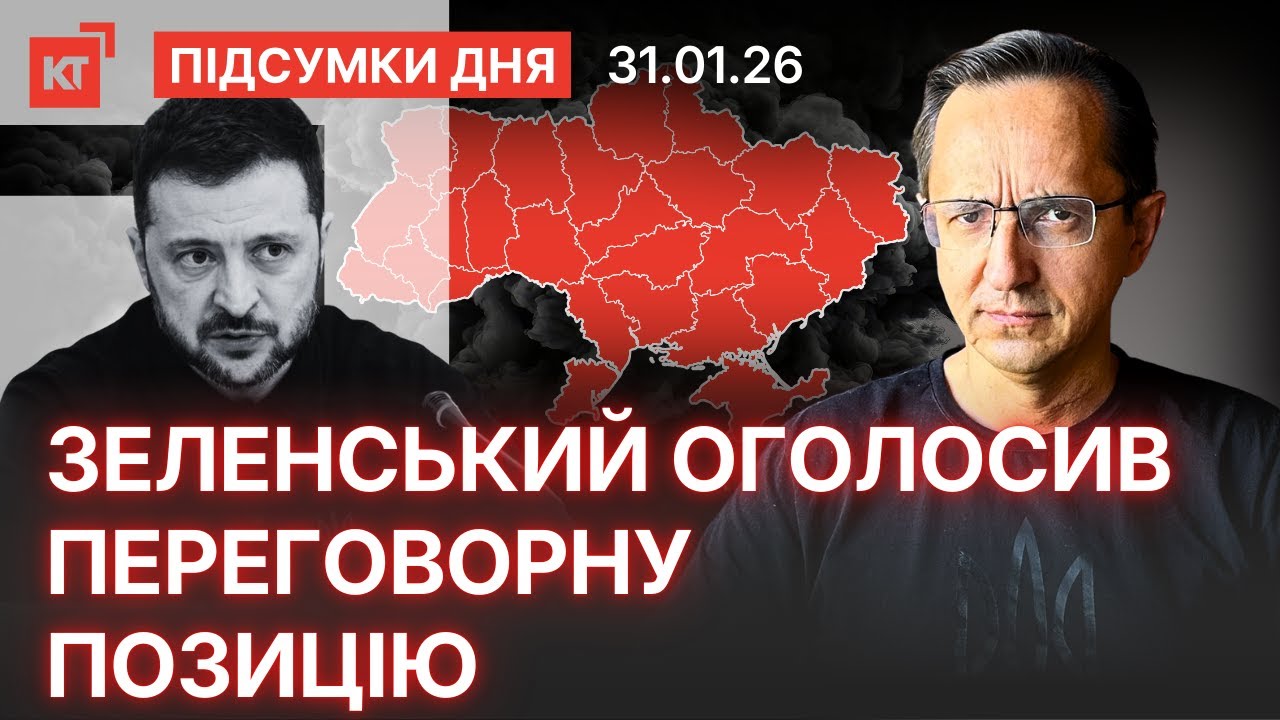
On February 1, negotiations to end the Russia-Ukraine war are set for Abu Dhabi, despite ongoing issues involving Iran. According to The Economist and Ukrainian President Volodymyr Zelensky, significant breakthroughs are not expected soon as territory and security guarantees remain unresolved. While several technical aspects have been agreed upon, major decisions may not come before March 2026.
Tomorrow, Ukrainian and Russian delegations will meet in Abu Dhabi. Earlier, a Russian representative held talks with Donald Trump's team in Miami, asserting that Russia is working toward peace in Ukraine.
President Zelensky underlined that difficult issues concerning territories will not be resolved without a direct meeting with Putin. Zelensky also stated that while discussions may include the US, European representatives could join in later stages. The current OSCE head and Swiss Foreign Minister, Ignazio Cassis, announced upcoming visits to Kyiv and Moscow as the OSCE might play a leading role in monitoring a possible ceasefire.
Ukraine is experiencing major power outages, affecting Kyiv, Vinnytsia, and other cities, leaving many without electricity, water, or heating. Energy Minister Denys Shmyhal reported a technical failure involving power lines connecting Romania, Moldova, and Ukraine, resulting in cascading blackouts. Power is being gradually restored to critical infrastructure, and supply is returning to some regions, but schedules remain unstable.
In a parallel development, Poland accused Russian intelligence agencies of cyberattacks on its energy infrastructure. However, Ukrainian officials stated that today's blackout was not caused by a cyberattack. In Kharkiv, the authorities noted fewer power-related issues than in other cities, though the situation remains tense.
Kharkiv Mayor Ihor Terekhov stressed the importance of upholding citizens' rights during mobilization, urging the Defense Ministry to act lawfully, transparently, and avoid public conflicts. President Zelensky has, for the first time, officially highlighted the issue of forced mobilization incidents.
In a cultural note, singer Yulka renounced Ukrainian citizenship and received a Russian passport. Negotiations in Abu Dhabi are expected to continue through February 2. The energy situation and key political statements remain closely monitored.