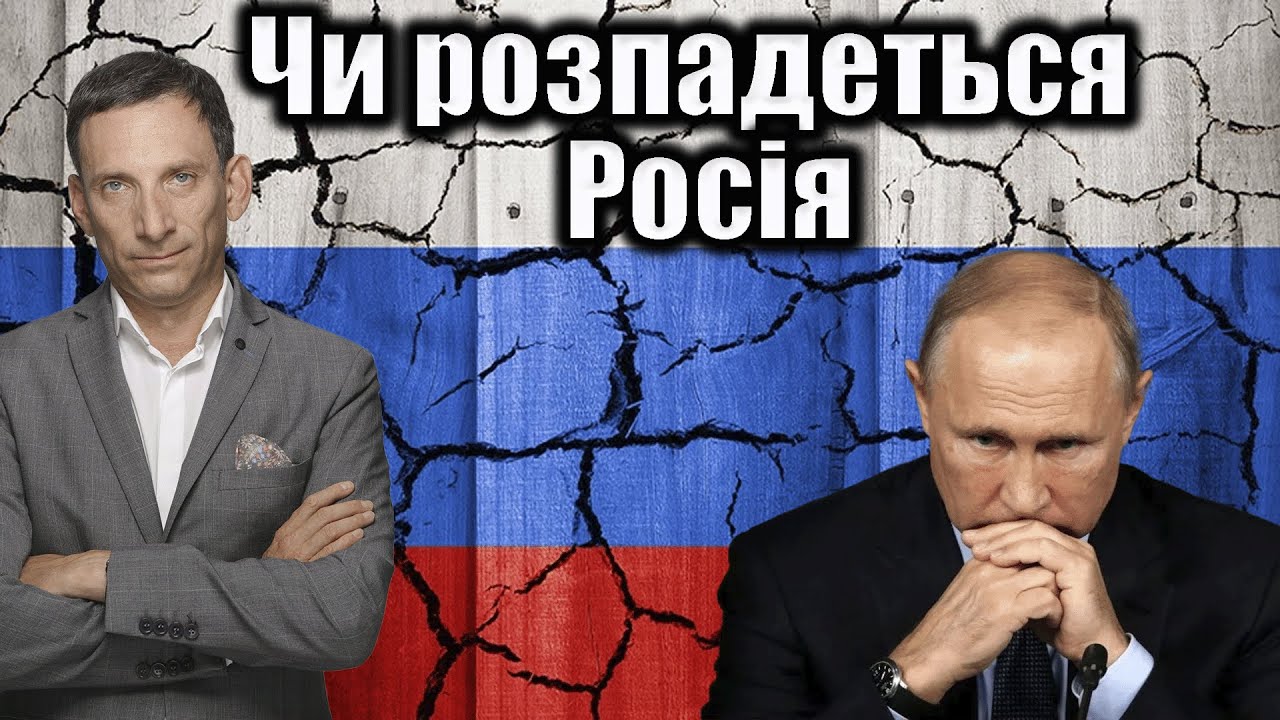
During a broadcast at Damisha Cafe in Italy, Vitaliy Portnikov shared his thoughts on the current situation in Ukraine, the impact of war, the diaspora and changes in Western support. Portnikov notes that he is not in Italy for the first time, and lacks the strong emotions about safety or comfort experienced by many Ukrainians who flee war. He is accustomed to working in extreme conditions, including the Middle East, Chechnya, and during terrorist attacks in Moscow.
The discussion touched on volunteering, detachment, and psychological resilience: some people help victims, others distance themselves from events to preserve their mental health. Portnikov emphasizes that journalism—like medicine—requires emotional stability.
The conversation highlighted the importance of continued Western support, especially from Italy and other European countries. In his view, declining support since the war's beginning is natural, as societies become accustomed to conflict. At the same time, the intensity of fighting and the humanitarian crisis do not indicate a decrease of hostilities. He believes that Russia is gradually losing its economic potential.
Portnikov expressed his view on the return of the diaspora: decisive factors are safety, social adaptation and clear state guarantees. With time, it will be increasingly difficult to bring back the majority. He also stands for equal rights for all citizens regardless of where they lived before 2022, and regards attempts to create special conditions for certain categories as anti-democratic.
Mobilization was a separate topic. Portnikov notes that the volunteer surge at the war’s start quickly faded, and the problems stem from post-Soviet mentality, identity, and staffing in mobilization structures and anti-corruption. He says corruption is the result of poor rules, not solved by arrests alone; changes must start with the system and laws.
Political perspectives were discussed, including the possibility of elections—Portnikov believes elections are impossible during war due to dangers and lack of security for citizens. On journalists in politics, he distinguishes media managers from reporters.
Addressing the international context, Portnikov spoke about US policy, Trump, and Vatican initiatives. In his opinion, the Vatican can play a humanitarian role but is not a platform for peace talks. The question of Ukraine's borders will remain a challenge, and the main victory will be preserving statehood. He thinks war in Europe could take hybrid forms, and Ukraine must remain part of the democratic world.