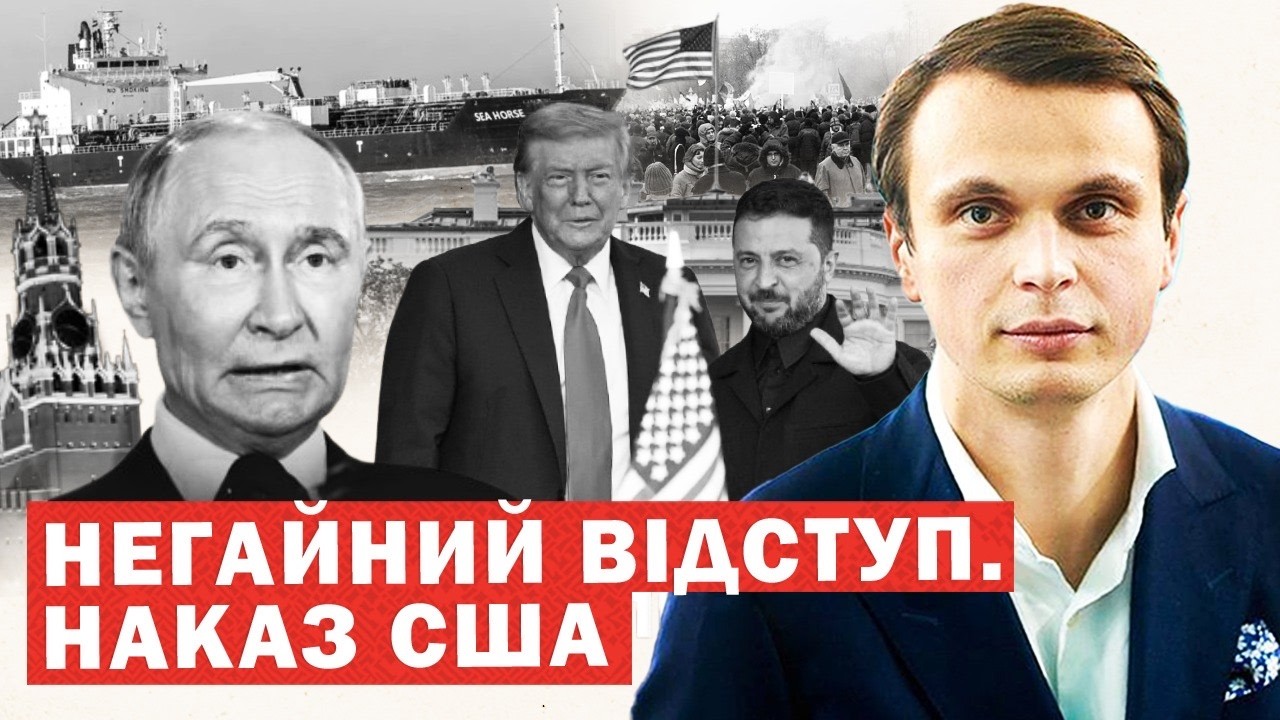
Tensions are rising in Russia—Western media including Reuters report the possibility of unrest due to the failed war in Ukraine and domestic challenges. Vladimir Putin is said to be restricting Internet and Telegram access to counter potential protests, reminiscent of those following the war in Afghanistan.
Meanwhile, Ukraine has started a new round of negotiations with the US in Miami, as Russia is forced to reduce its support for certain partners under US pressure.
The elections in Hungary have been marred by scandal due to the involvement of Russian agents who infiltrated the OSCE. The organization shows bias towards Russian interests—its representatives ignore evidence of electoral fraud, causing outrage in both the public and activist circles. Hungarian Prime Minister Viktor Orbán remains a central figure for Russian influence in Europe: his victory would inspire pro-Kremlin forces, while defeat would mark a significant setback for Moscow.
Apart from internal crises, Russia suffers from shrinking revenues—demand for oil and gold is substitutive, so overall national income does not grow. The US imposed new sanctions and turned back a Russian oil shipment headed for Cuba, and mounting international tensions are further limiting Moscow’s trading options.
In the ongoing war, Ukrainian forces carried out targeted drone strikes on facilities in Saratov, Engels, and Tolyatti, resulting in explosions and fires at refineries and industrial sites in Russia. At the same time, Ukraine’s armed forces downed yet another Russian Ka-52 helicopter and continue to effectively eliminate occupiers.
According to analysis, the situation remains highly dynamic: Russia is losing influence, the OSCE is under suspicion of bias, and Ukrainian troops are achieving remarkable results. The speaker also appeals for donations to support Ukraine’s military and points out the need to restrict Telegram due to censorship concerns.