Ukraine's security and defense forces carried out their third drone attack this week on the Ust-Luga port in Russia’s Leningrad region. The local governor reported both the interception and impact of drones, sparking significant reaction among Russians and foreign observers.
Foreign watchers expressed visible satisfaction as fires broke out on Russian territory, while Russian society showed increasing dissatisfaction with air defense performance. Meanwhile, Russian propaganda attributed polluted city air to "unfavorable weather conditions," downplaying the effects of Ukrainian drone raids.
The Primorsk and Ust-Luga ports suffered serious damage, with fires erupting in their storage tank parks. Residents of St. Petersburg received warnings about air pollution and were advised to stay indoors unless necessary.
Russian experts publicly acknowledged the vulnerability of their oil and gas export infrastructure and recognized an intensifying crisis within Russia as a result of these losses. Internal criticism of Russia's military command has also sharply increased.
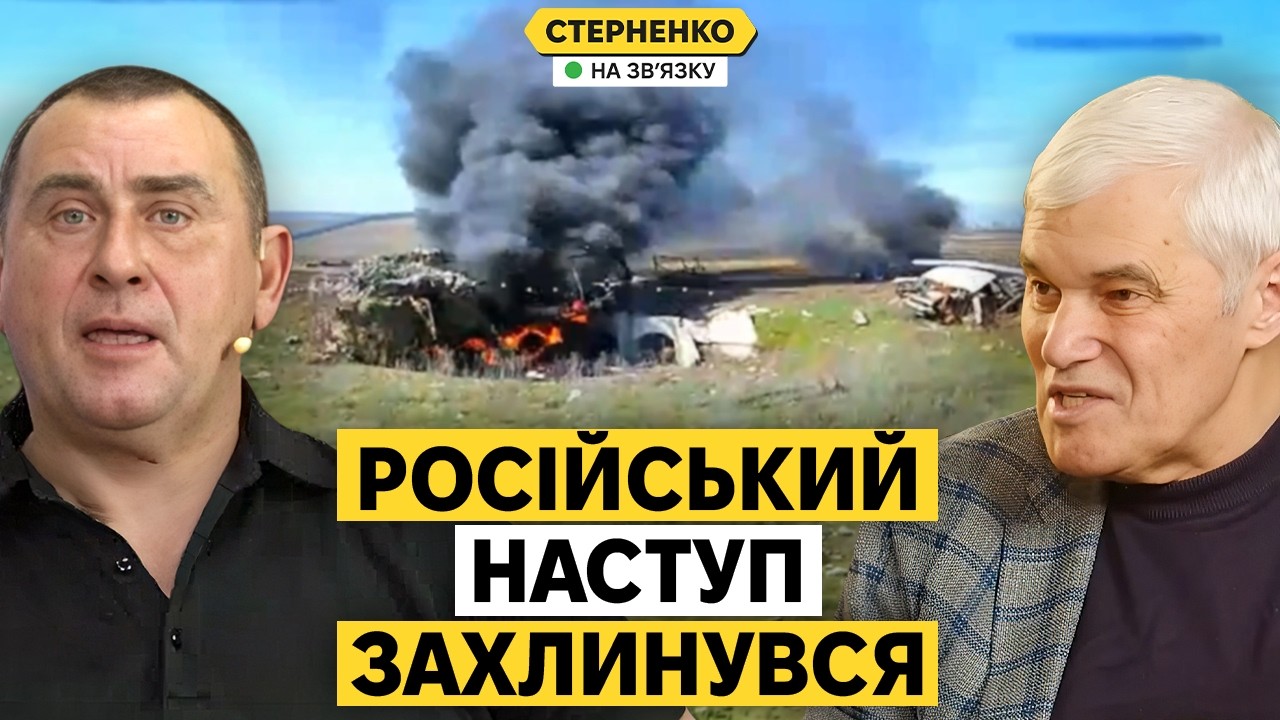
On the frontline, Russian troops attempted a large-scale armored assault in the Zaporizhzhia sector on March 28, but units from the Ukrainian 65th Mechanized Brigade and its allies destroyed the column, eliminating more than 10 vehicles and forcing Russian troops to retreat.
Ukrainian defenders continue to thank volunteers and donors for providing drones, which play a crucial role in destroying enemy logistics and equipment. Ongoing support for Ukraine’s armed forces remains essential for retaining initiative on the battlefield.
Analysts expect intensified attacks on Russia's strategic infrastructure, which will impact both the military situation and the aggressor nation's economy.