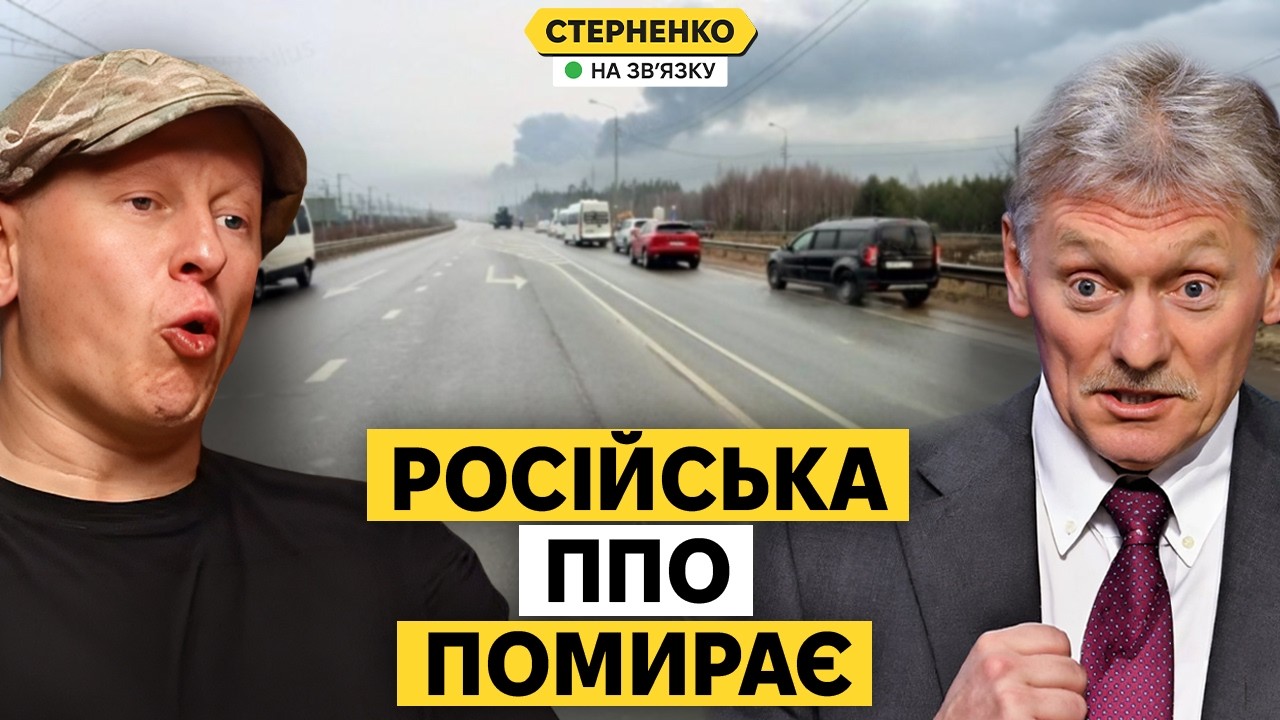
Last night, new Ukrainian drone strikes targeted vital oil and gas infrastructure in Russia's Leningrad Region, hitting the ports of Ust-Luga and Primorsk. This marks the fourth attack on Ust-Luga in a short period, causing a major fire at Novatek's gas complex and a smaller one at Primorsk. Russian propaganda media are forced to acknowledge that Ukraine's attacks are designed to undermine the funding of Russia's war effort, targeting revenue from oil, gas, and fertilizer exports.
Discussion on Russian TV has raised unfounded suggestions that drones launch from NATO territory. However, evidence indicates that Russian air defense has struggled to intercept drones even within its own borders. The report also draws attention to the fact that millions of tons of fertilizer, another vital export, pass through Ust-Luga each year.
These drone attacks are prompting Russia to introduce additional protective measures, such as camouflage and dispersal. Still, the defense against Ukraine's large-scale drone raids remains inadequate. Experts and even Russian commentators admit that Ukrainian strikes are becoming more frequent and advanced, threatening deep targets inside Russia.
In response, the Russian government is seeking new financial resources—including from oligarchs and by recruiting students into the military. At the same time, Ukrainian society is uniting to support the army, delivering more drones and advanced technologies to strengthen military capabilities.
The Ukrainian armed forces, with the support of volunteers and citizens, continue receiving FPV and advanced drones that are proving highly effective in targeting Russian military and energy facilities. Escalating pressure through technology and economic disruption is seen as crucial for hastening a real peace.