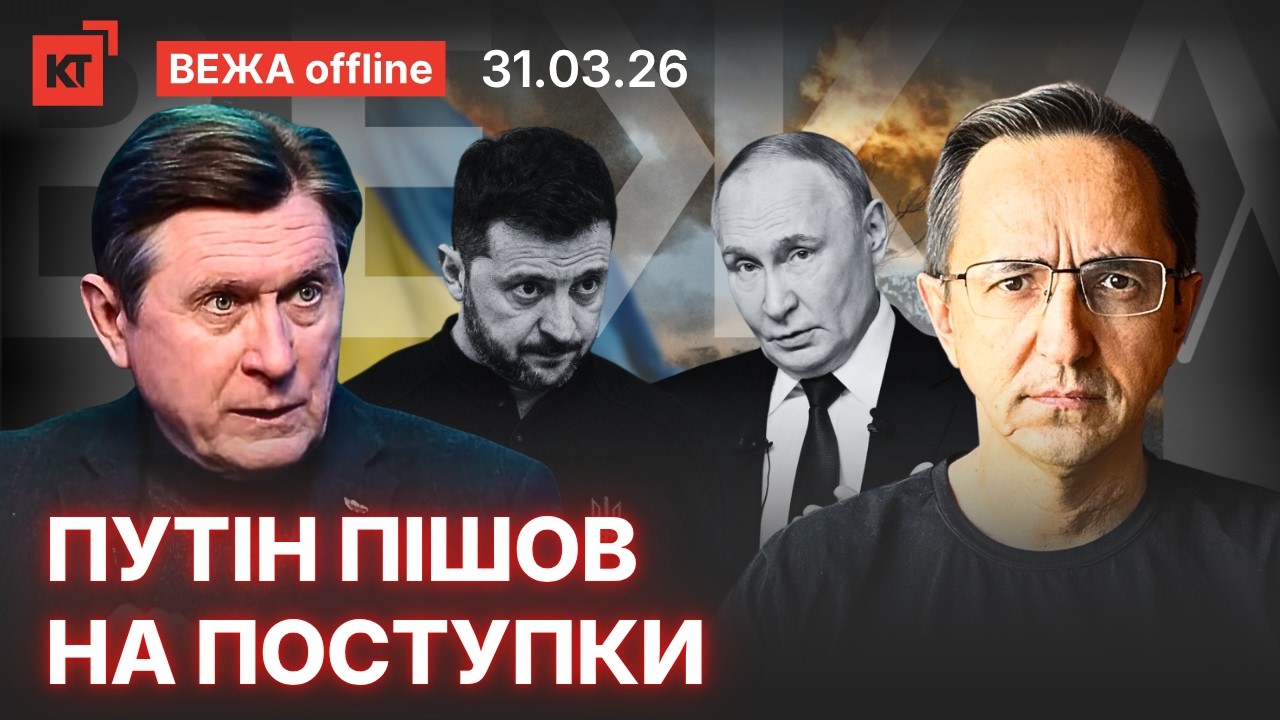
On March 31, the Neridki Vezha Civic Center held an interview with political scientist Volodymyr Fesenko, who analyzed the current state of peace negotiations on the Russia-Ukraine war, US and EU pressure, and prospects for Ukraine.
The program discussed recent statements by Ukrainian President Volodymyr Zelensky on the stances of the US and Russia toward peace and ceasefire, Kremlin and Peskov reactions to the Easter truce proposal, and internal debates in Russia on whether to persist in war or seek peace.
Fesenko noted that tactical disagreements exist in Russia about accepting US proposals or pushing for terms more favorable to Moscow. He emphasized that Putin applies pressure to Russian oligarchs rather than the other way around, and Russia’s key demand remains Ukrainian concessions on Donbas.
Special attention was given to the idea of shifting peace talks from Donbas-related territorial issues to ceasefire and energy agreements, drawing analogies with Iranian negotiations. Fesenko explained that this is Ukraine’s strategy to overcome the current diplomatic impasse, though Russia is unlikely to agree in the near term.
The conversation also covered US pressure on Ukraine, especially amid a possible resolution of the Iran conflict and the limited leverage of the US—namely financial assistance and weapons supplies. Fesenko also discussed Ukraine-EU relations, particularly in fulfilling legal requirements for future EU membership.
According to Fesenko, the main obstacle to Ukraine’s EU accession remains the ongoing war. Even after meeting legal and political requirements, the outcome depends on EU unity and the positions of individual countries such as Hungary, Slovakia, and Poland. While the EU gives strategic support, significant bureaucratic and political challenges remain.
Fesenko urges adapting Ukraine’s tactics accordingly and stresses the need for resilient negotiation strategies and updating the agenda. Maintaining Ukraine’s internal stability is critical for successful EU integration and resisting outside pressure.