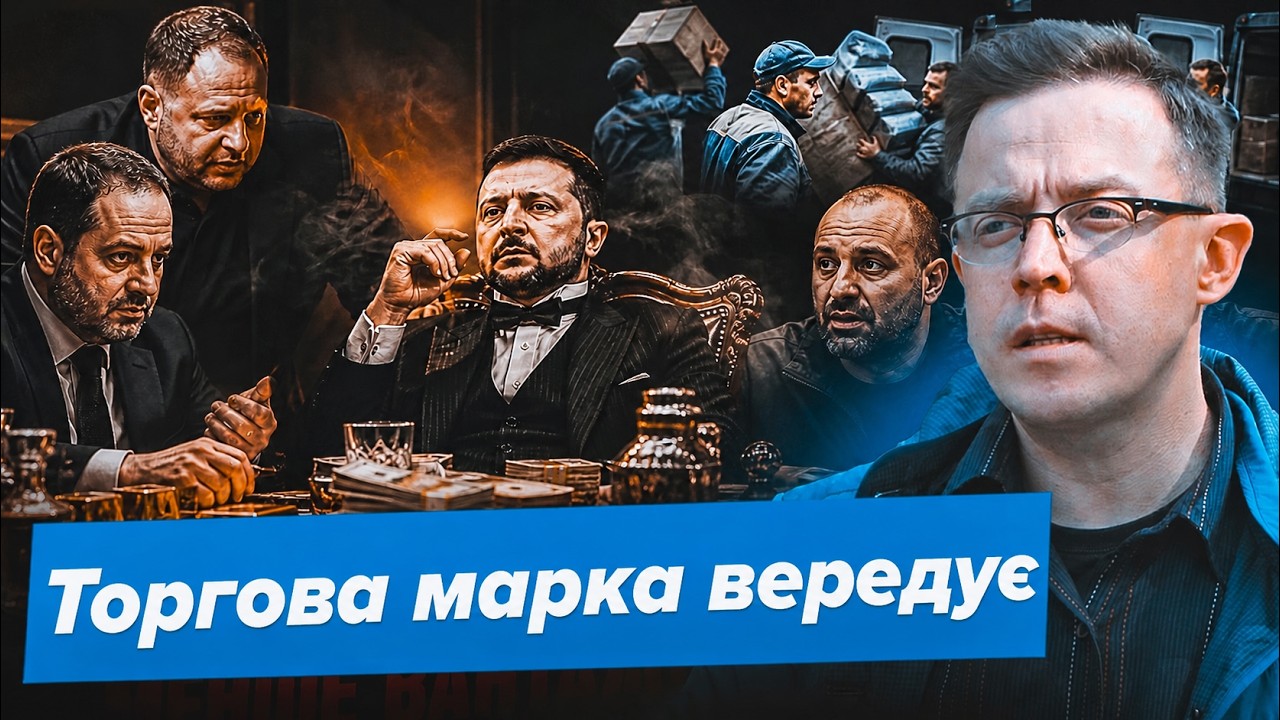
In this interview, the expert thoroughly examines the crucial role of "omerta"—the code of silence binding Ukraine’s ruling elites. Much like in mafia structures, this code ensures unity and influence are maintained even after leaving official positions. Four key political figures—Zelensky, Yermak, Mindich, and Chernyshov—are cited as symbols of this system which, according to the expert, will persist regardless of their formal status.
Europe has unlocked €90 billion in aid for Ukraine, but this financial support does not equate to a path toward peace. According to the expert, the EU’s move reflects a policy of supporting a drawn-out conflict rather than seeking a swift resolution. European leaders explicitly state their interests: keeping the war in Ukraine avoids direct confrontation with Russia.
The role of the United States and Donald Trump is also discussed. The expert notes that Trump favors a peace plan involving Ukrainian territorial concessions in exchange for security guarantees; however, Ukraine’s current administration rejects these scenarios, aiming to preserve the existing situation.
International peace initiatives are addressed, such as visits by Trump’s delegates, which the expert sees as more about external stakeholders’ needs than Ukraine’s. According to the analysis, the Ukrainian elite is focused on receiving funds rather than pursuing an end to the war or pushing through necessary reforms.
Concerning European integration, the expert observes that reforms are being stalled and Ukraine is not meeting the requirements for full EU membership. Both symbolic and partial membership are rejected, while the current leadership is reluctant to alter its authoritarian model of rule.
The interview concludes that the war has become entrenched in self-perpetuating interests, institutional reforms are stalled, and the elite’s primary focus is on managing funding while real options for peace or reform remain out of the public’s reach.