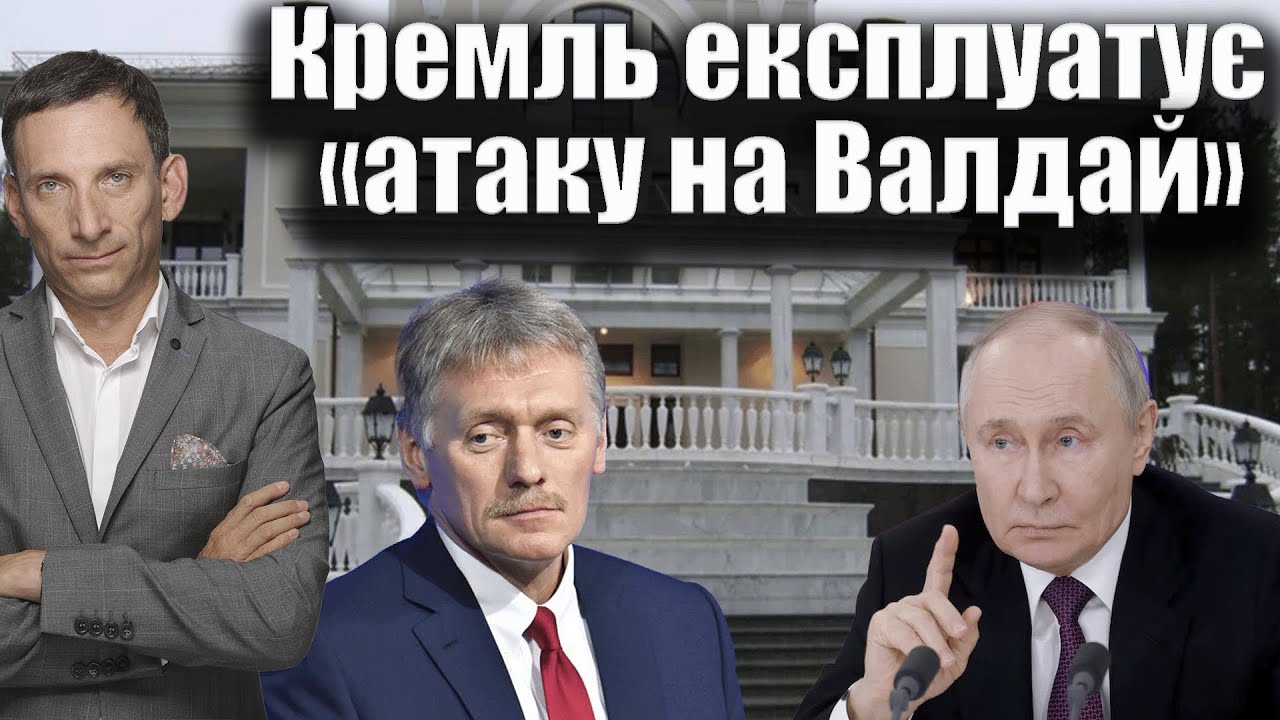
Kremlin spokesperson Dmitry Peskov dismissed requests for evidence about Ukrainian drones allegedly targeting Putin's Valdai residence, refusing to disclose the president’s location. This underscores that the drone attack has been used as a political tool by the Kremlin.
Peskov's avoidance of specifics suggests manipulation: if Putin was far from Valdai at the time, the question arises why Russia’s leadership raised alarms and what the real motive for escalating the situation was.
Peskov also sidestepped questions about how the incident might affect Russia’s stance on negotiations to end the war. The author stresses that Russia never genuinely pursued peace, instead aiming to buy time and avoid further Western—especially US—sanctions.
After the Putin-Trump summit, the American leader adopted a position closer to Russia’s, seeing ceasefire as the culmination, not the start, of a peace process. Since then, Trump has followed a Kremlin-friendly line, enabling Russia to prolong its war against Ukraine, with the Kremlin seeking to maintain cordial dialogue with him.
The fabricated drone story gave Putin an excuse not to answer difficult questions regarding agreements with Zelensky. The Kremlin is also testing who will accept their narrative without evidence.
The world’s response has been divided: leaders of the Global South, like Indian PM Narendra Modi, voiced concern without real proof. India’s purchases of Russian oil help support Russia’s economy despite sanctions.
The author observes that the world is split between those who respect international law and those who ignore it. The US position will be decisive for global security. The drone story serves as a test for all parties involved in the conflict.