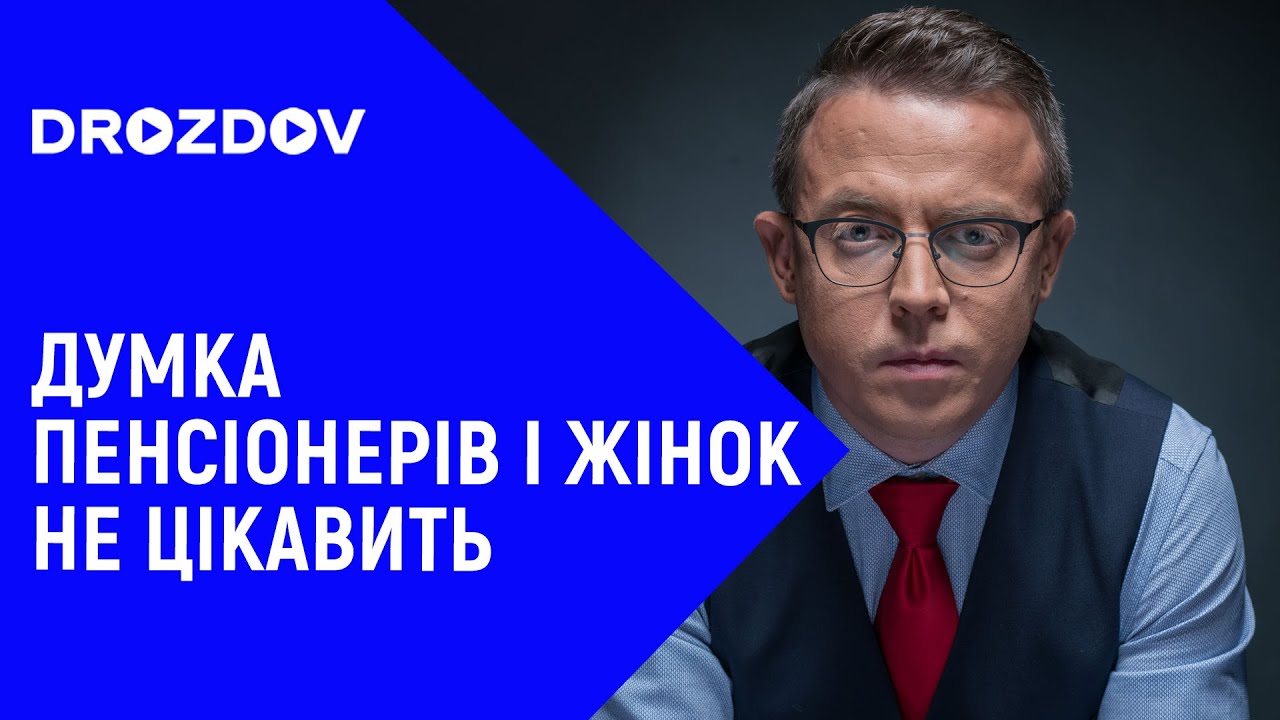
The speech examines the role of sociology and public opinion in state decisions during wartime. The speaker notes that for six years, little attention was paid to public sentiment, reducing society to a war resource. References to public opinion now seem insincere, with surveys often used as indicators of support—though in reality, these opinions have little effect on actual policymaking.
The emphasis is on the population segment directly implementing decisions and paying the highest price. General sociological samples are skewed by including unengaged groups, such as pensioners or women not participating in hostilities. The author argues that, in practice, sociology does not influence critical political decisions in war, and the focus should be on responses from those directly involved.
The paradoxes of sociological polling are also considered: under pressure, people often give answers conforming to mainstream positions rather than their real opinions, creating a “hypocrite effect.” The author believes it is more honest for the state to make decisions without appealing to society’s opinion, as such choices are usually made by a small circle of officials and rarely reflect most people’s true sentiments.