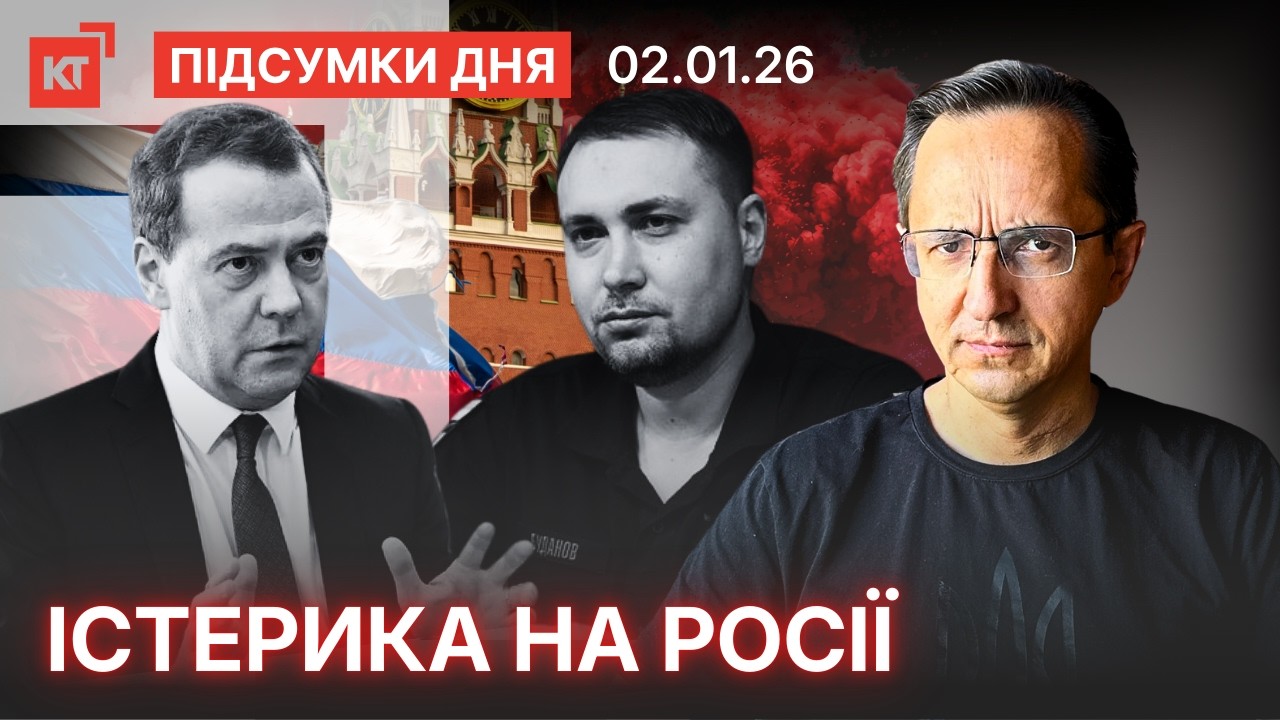
On January 2, Ukrainian President Volodymyr Zelensky announced the appointment of Kyrylo Budanov as Head of the President’s Office. The official decree was signed, making the decision effective. Budanov, formerly the head of the Defense Intelligence of Ukraine, has notable ties with the United States, highlighted by Western media. The New York Times stressed his experience and partnership with U.S. intelligence services.
Oleh Ivashchenko, former head of the Foreign Intelligence Service, has been appointed as the new Chief of Defense Intelligence. Experts note that Ivashchenko is not a direct subordinate of Budanov, which ensures the intelligence remains independent from the President’s Office.
International media emphasize that Budanov’s promotion could strengthen cooperation with the U.S., particularly amid possible talks with Donald Trump. Analysts highlight that Budanov’s informal connections may influence future dialogue formats between Kyiv and Washington.
Meanwhile, Russia criticized Budanov’s appointment, notably through Dmitry Medvedev, who accused President Zelensky of attempting to remove political rivals ahead of potential elections.
Other upcoming staff changes include the expected appointment of a new head of the State Border Guard Service and a forthcoming presidential bill to reform the State Bureau of Investigations. These appointments come amid continued attacks: on January 2, two ballistic missiles hit a residential building in Kharkiv, injuring at least 30 people.
International developments include a planned phone call between Turkish President Erdoğan and Donald Trump about the wars in Ukraine and Gaza, and an upcoming coalition meeting in Paris. Security guarantees for Ukraine are an ongoing debate in the U.S.
A KIIS poll shows 53% of Ukrainians reject any territorial concessions for peace, 33% are open to compromise, while 14% are undecided. Separately, the International Olympic Committee has decided not to admit Russian athletes to the 2026 Winter Olympics, even if the war ends.