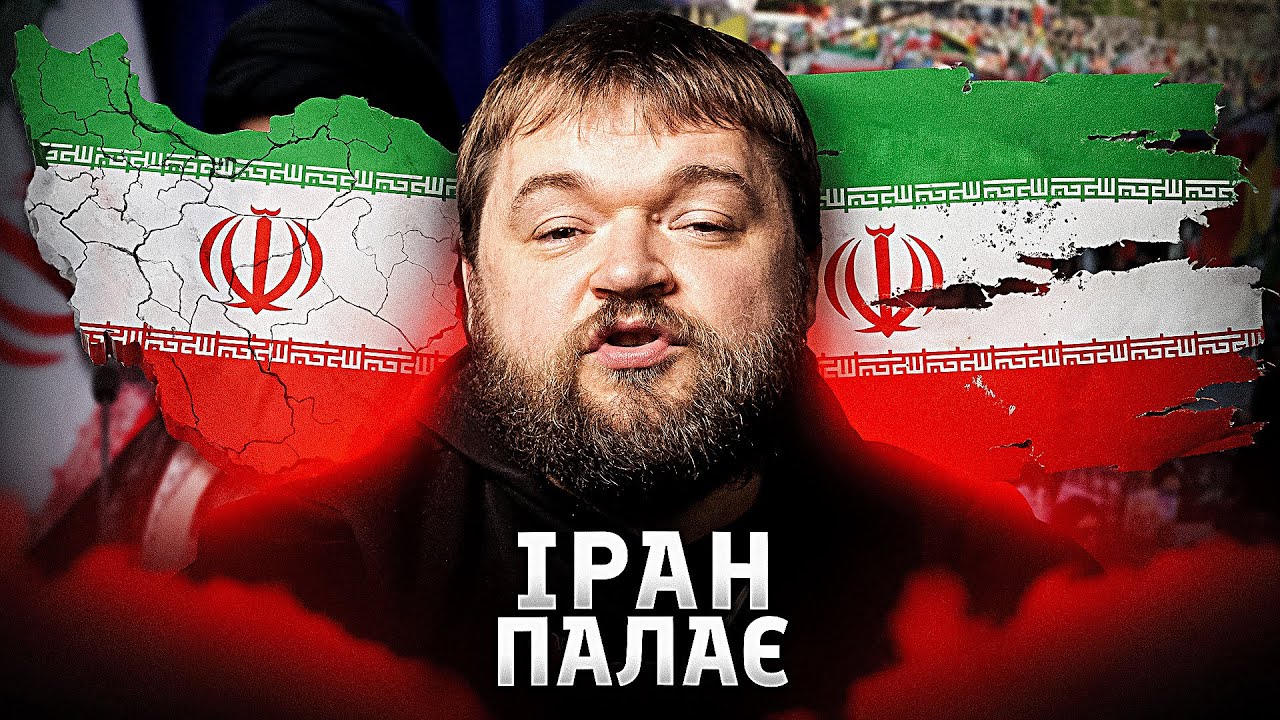
On December 28, 2025, a wave of protests erupted in Iran, escalating over 11 days into the country’s largest unrest since 2022. The trigger was a severe economic collapse, a historic low for the Iranian rial, nearly 50% annual inflation, and price increases of up to 72% for food and essential goods.
The protests have spread to 280 locations across 88 cities in 27 out of 31 provinces. At least 36 people, including six children, have been killed and more than 2,000 arrested. The authorities responded with live ammunition, tear gas, and mass detentions.
A historically significant aspect is the participation of merchants (bazaari), reminiscent of their role during the 1979 revolution. The demands soon went beyond economics, with open calls for regime change and criticism of spending on foreign projects and the army. Women have revived the “Woman. Life. Freedom.” movement by protesting without hijabs.
Authorities are trying to stem the unrest by closing offices and schools, restricting internet access, and deploying additional security forces. Despite these moves, the protests continue to spread. Students, youth, ethnic minorities, and parts of the elite are calling for change, and there is renewed nostalgia for pre-revolutionary times, reflected in monarchist slogans.
Government policies have heightened tensions: sharply increased security budgets, lifted import subsidies, and resignations of officials. The political crisis is coupled with growing geopolitical isolation, with Iran losing influence in the region and the nuclear deal effectively stalled.
Experts note the regime’s fate hinges on security forces’ loyalty and international pressure. Protests persist, the country remains in uncertainty, and the struggle for change continues on the streets of Iran’s largest cities.