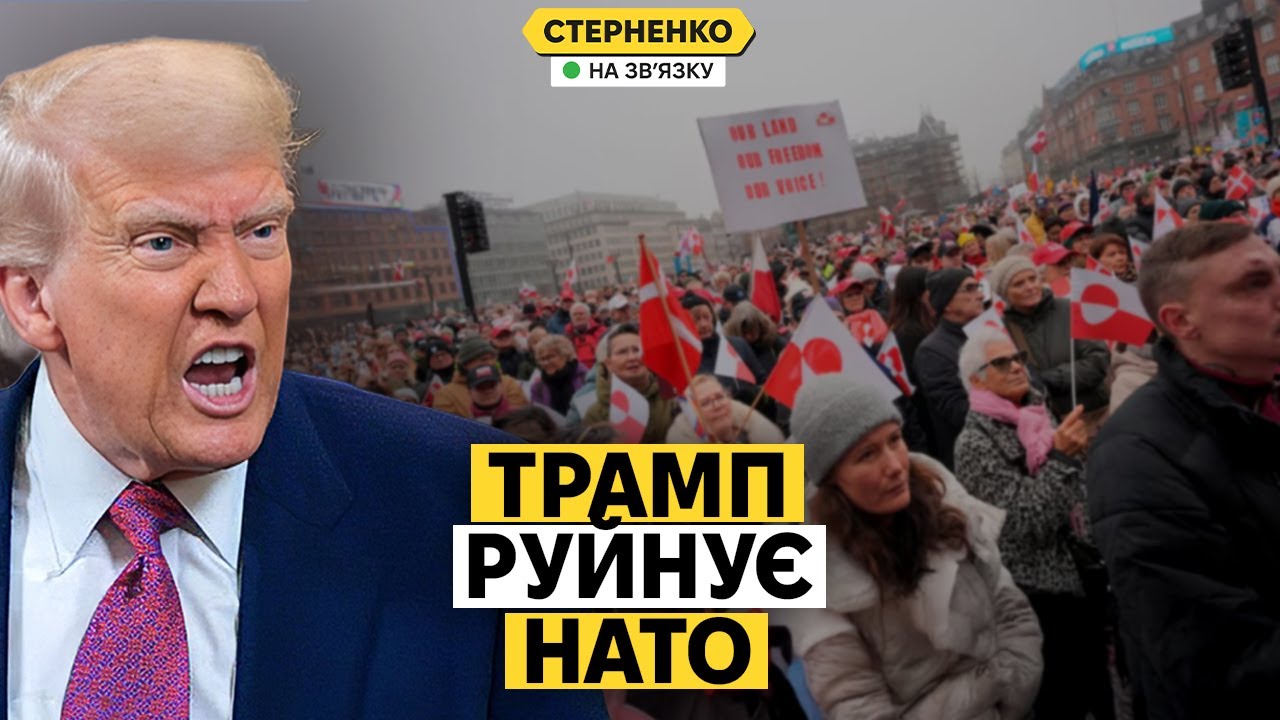
The world is entering a period of tectonic changes in the political order. The global system established after World War II is rapidly collapsing. Key events include protests in Greenland and Copenhagen against the imperial ambitions of the US and President Donald Trump's policies.
US President Donald Trump is raising doubts about the future of the North Atlantic Alliance. Starting February 1, the US is imposing a 10% tariff on imports from France, the UK, Denmark, Finland, Sweden, and other European countries that opposed US plans regarding Greenland. European nations pledged to send small military contingents to the island as a deterrent, but Trump interpreted this as opposition to US intentions to assert control over Greenland.
President Trump justifies his actions as necessary for US national security in response to perceived threats from China and Russia. According to his advisers, the principle of "might makes right" is supplanting international law, increasing the risks of territorial claims.
This situation undermines trust within NATO, as allies turn into rivals. There are growing calls to exit the Alliance, such as the recent bill proposed in France to leave NATO. US actions are forcing partners, like Canada, to explore new international relations, especially with China.
For Ukraine, tensions among Western allies complicate military aid flows, while the crisis in the global order challenges existing security guarantees. Volunteer fundraising for drones and military gratitude highlight Ukraine's focus on strengthening its own defense capabilities.
Amid uncertainty, Ukrainian experts debate prospects for NATO membership and strategies for reinforcing the military. In conclusion, the future of global security architecture remains an open question with no clear answers.