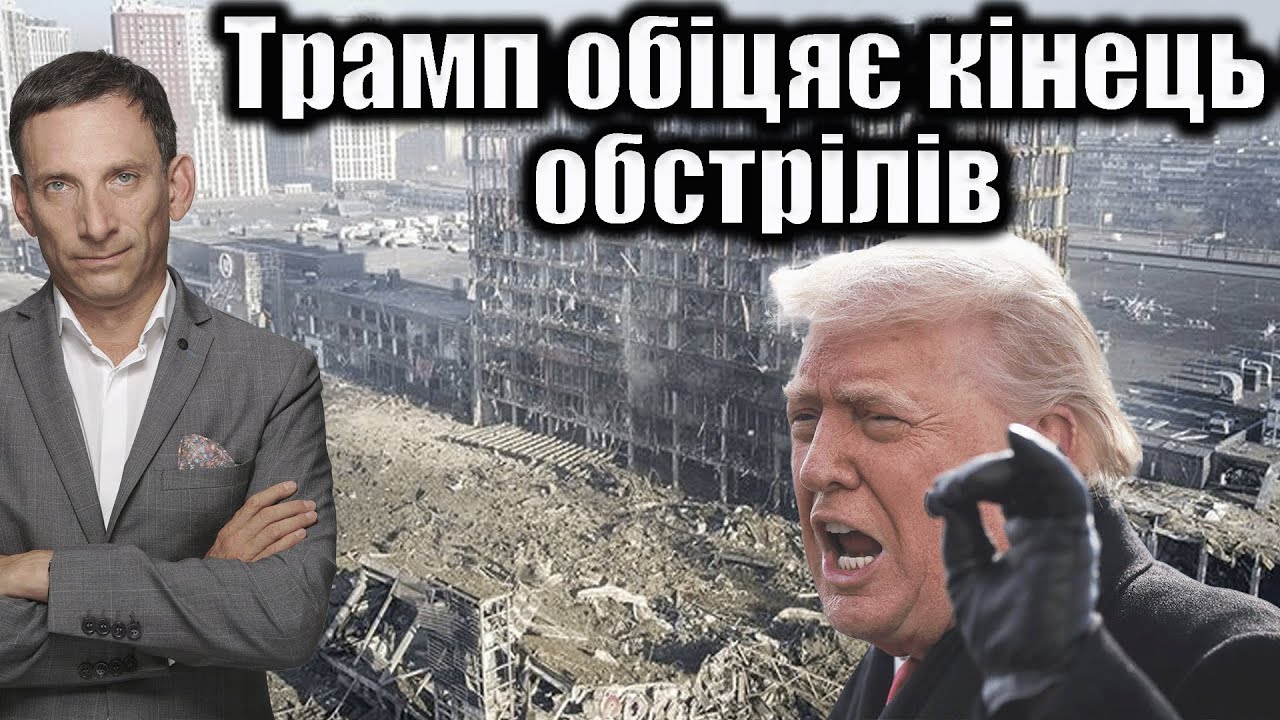
The political broadcast focused on peace negotiations between Russia, Ukraine, and the US. The analyst argues that while many negotiation stages are discussed, without a genuine decision on a ceasefire, all talks amount to theater.
The expert notes that Russia categorically rejects the idea of a truce. In his view, discussions about post-war coexistence or the number of troops are meaningless until a comprehensive agreement is reached.
Key US negotiators may skip the next phase, as for the United States, an end to the war is fundamental—details matter less. Thus, current negotiations risk becoming a technical exercise, disconnected from the actual end of the war.
Energy security in Ukraine receives special attention. The analyst highlights that a halt in Russian attacks on critical infrastructure may occur only for pragmatic reasons—fear of further sanctions or as a response to Ukrainian actions—but this does not indicate a true ceasefire, only a temporary Moscow decision.
The notion of an 'energy truce'—where Russia temporarily suspends attacks on energy facilities—is possible, prompted by sanctions avoidance, the difficulty of repairing Ukrainian infrastructure, or a desire to protect Russian refineries from retaliation.
From the Kremlin's standpoint, an invitation for Zelensky to visit Moscow is a means to signal Ukraine's subordination. The Russian leadership's goals remain unchanged: total occupation and establishing a puppet regime. The expert highlights the deep divide between reality and Moscow's ambitions since 2022.
US policy, particularly under Donald Trump, is described as fostering the illusion of progress, despite a lack of genuine prerequisites for peace. The West might pursue tougher measures closer to elections, but Russia relies on a war of attrition.
Europe is slowly shifting toward greater independence and risk awareness, though its reliance on US support remains significant.