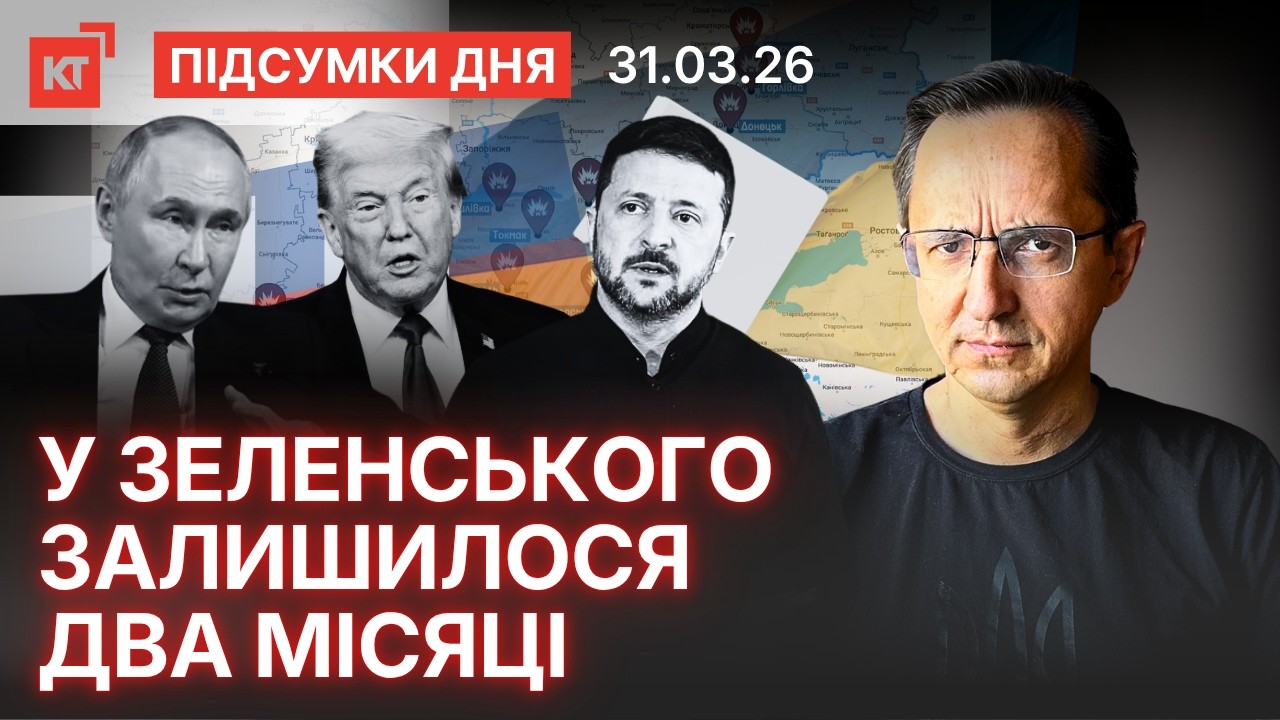
On March 31, the Kremlin responded to Ukrainian President Volodymyr Zelensky's proposal for an Easter truce. Kremlin spokesperson Dmitry Peskov stated that Moscow would not support the initiative due to its lack of clarity, demanding full withdrawal of Ukrainian forces from Donbas within two months instead.
Zelensky stressed that territorial matters remain central to negotiations, with Ukraine ready for compromise only within limits that do not undermine national sovereignty. Meanwhile, Russia promotes its own vision for ending the conflict.
Europe has shown only limited willingness to support Ukraine: EU foreign policy chief Kaja Kallas, during her visit to Kyiv, announced that the 20th sanctions package and potential lending would be delayed and that no funds were available yet. The European Commission expects Ukraine to fulfill legal obligations to unlock €4 billion in aid.
Donald Trump has criticized European allies for insufficient support in military conflicts, while several EU countries declined US requests to use their bases and resources. Complications with the supply of Patriot missiles in the Middle East have intensified due to heavy fighting.
On the front line, mobilization efforts have increased in both Ukraine and Russia, with Russia conducting partial, hidden recruitment and conscripting enterprise employees. Challenges with army staffing in Russia have drawn particular attention.
Russia's diplomatic rhetoric remains tough. Sergey Lavrov claimed a "new world order" is emerging, accusing certain countries of breaking international law.
Russian attacks on Ukrainian cities continued: there were strikes on railway infrastructure in Sloviansk and Chuhuiv, and a drone attack on an enterprise in Nizhnekamsk, Russia. Ukraine also addressed extradition requests in a high-profile case and is advancing talks on buying Bulgarian nuclear reactors to boost energy stability.
These developments reflect deepening tensions between Russia, Ukraine, the US, and the EU across military, political, and economic spheres.