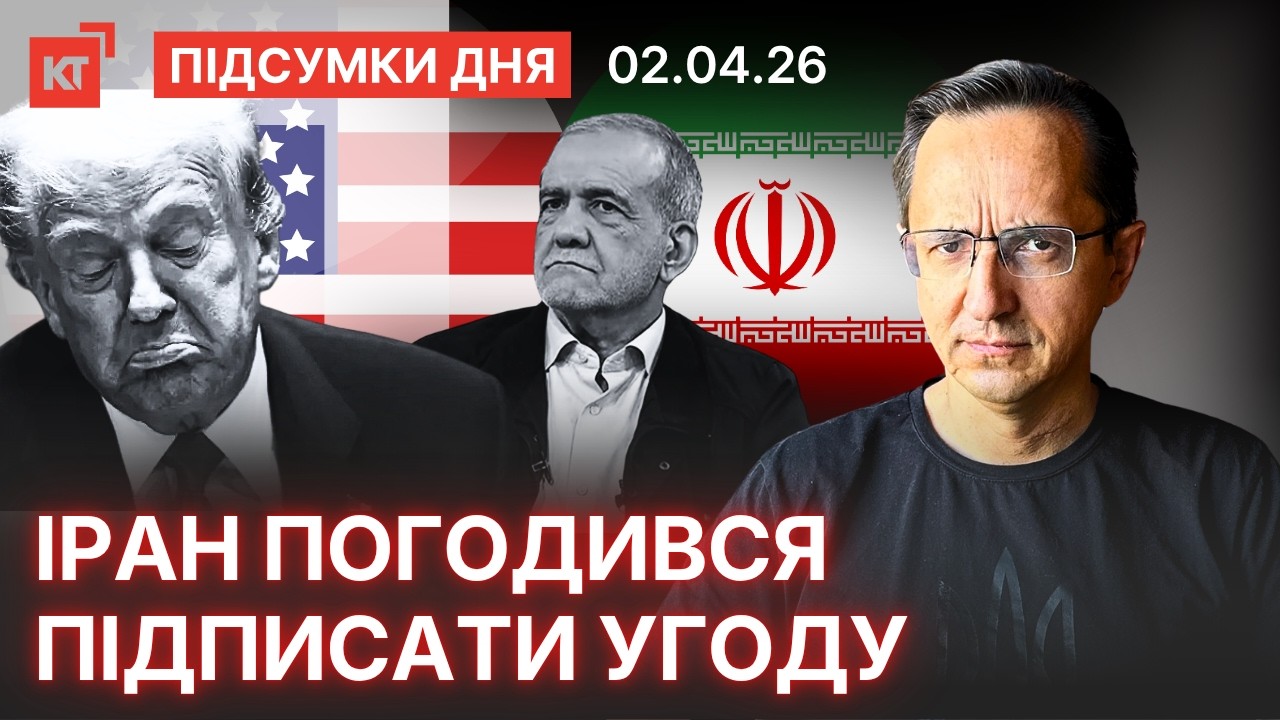
On April 2, Valeriy Klychov delivered a comprehensive update on Ukraine's internal and international affairs. The highlight: Ukraine continues to receive calls for accession to the EU and NATO. Yet, some European leaders remain cautious as global security risks intensify, with the UN warning of a potentially widespread war triggered by Middle Eastern conflict.
Iran has agreed to a deal on the Rumuz Strait but pointedly excludes the US from its signatories. Putin’s aide cited a pause in trilateral talks on ending the war against Ukraine, connecting it to the Middle East crisis. Meanwhile, Polish PM Donald Tusk and Hungarian leader Viktor Orban debate the future of European security and Russia sanctions: Tusk warns of NATO’s fragmentation and weakening sanctions, which could benefit the Kremlin.
Tensions escalate between France and the US over military operations against Iran, with President Emmanuel Macron rejecting military solutions and advocating diplomatic approaches. China and European countries propose their own security guarantees on the continent.
The Ukrainian military continues to achieve results, including destroying Russian assets in Crimea. Russia employs new strike tactics against Kharkiv. In Lviv, a tragic incident occurred as a territorial recruitment worker was killed, with investigations ongoing.
Other updates: Ukraine returns to electricity outage schedules due to infrastructure strikes, controversy surrounds losses in the Skelia unit, and civil servants now face higher English proficiency requirements. Ukraine remains at the core of European security discussions and international attention.