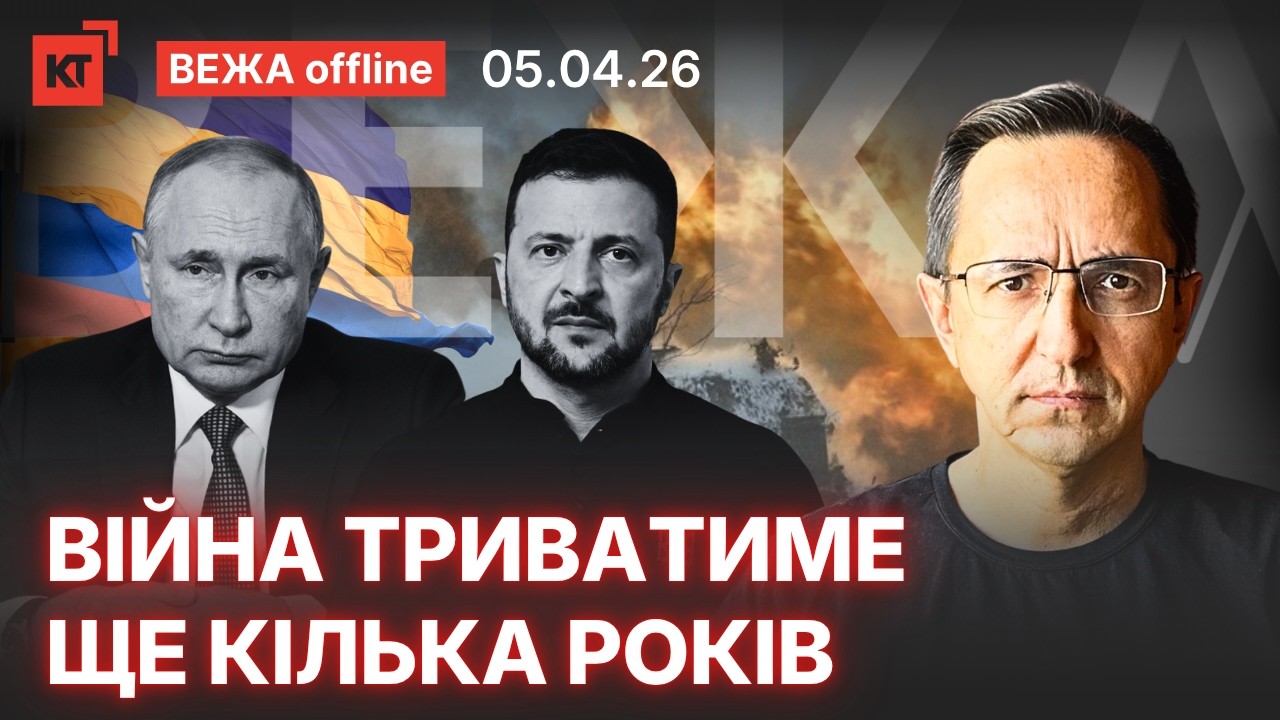
In the changing global environment, the war in Ukraine remains central to European and world politics. Analysts note the close connection between events in the Middle East, the positions of the US, EU, China, and the trajectory of the Russia-Ukraine war.
Ukraine is increasingly hostage to global discussions and decisions. US President Donald Trump has been criticized for attempts to settle the conflict through approaches viewed as lacking effective leverage on Russia, contributing to broader economic and energy crises.
Special attention is paid to the UN resolution on unblocking the Romanian strait, initiated by the Gulf states, who influence regional security due to concerns about Iran's actions. For Ukraine, unity among partners remains crucial, but security guarantees are at risk of being weakened.
Europe is seeking greater autonomy but is divided between alignment with the US and China, raising the potential for alternative decision-making centers. Additionally, financial aid to Ukraine (90 billion euros) depends on internal European processes and the stability of national policies.
Discussion participants emphasize that the current diplomatic process is stalling, with neither side holding an advantage. A likely scenario is a protracted crisis and negotiations to fix the existing front line—without guarantees of a lasting peace. Analysts suggest the US and Europe will reduce their involvement, delegating influence to China, while Ukraine will seek new alliances and optimize internal policy to meet the realities of a multipolar world.