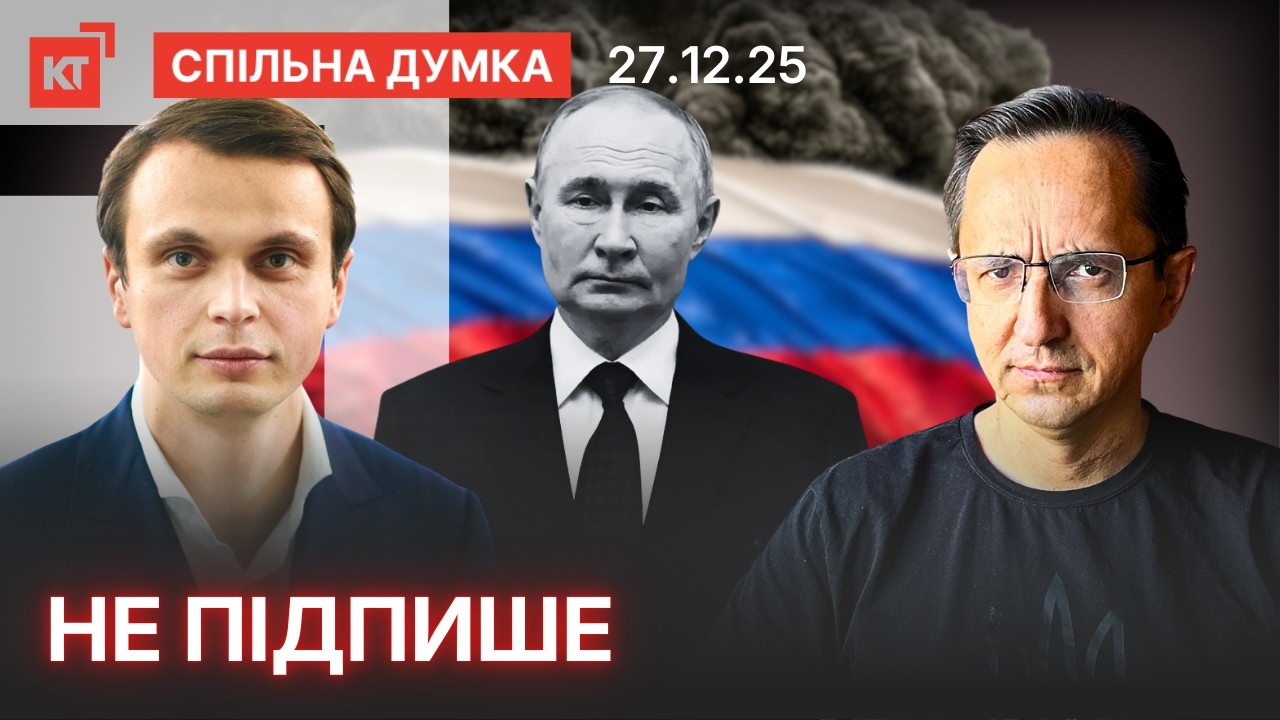
The discussion participants recall the motives behind Ukrainian politicians' decisions during the signing of the Budapest Memorandum. The main argument at the time was the fear that, without international confirmation of sovereignty, the new state might not be recognized by major global players, risking a return to Moscow's influence. Confirmation of sovereignty was considered a critical achievement, even at the cost of surrendering nuclear weapons.
At the same time, experts note that the international process of confirming sovereignty triggers a kind of 'verification race.' They wryly observe that if one country receives reconfirmation, others may also demand the same status, which creates a precarious precedent in international politics.
Manipulation in negotiations is increasingly sophisticated: formal references to educational or economic programs may mask intentions regarding russification or sovereign constraints. Issues such as demilitarized zones or swift response to provocations can be used to legitimize military intervention.
Particular attention is given to the legal aspects of proposed agreements: experts stress that the potential dangers often become evident only in a legal context, and political responsibility for such decisions tends to be diffused by leadership.
Political dynamics around possible peace agreements are marked by leaders avoiding personal responsibility, often transferring the issues to parliament or referendums. Ultimately, regardless of personalities, subsequent authorities will be forced to recognize previously signed agreements.
Collective rather than personal perspective in political decision-making is seen as a key condition for Ukraine's long-term stability and security, according to the experts.