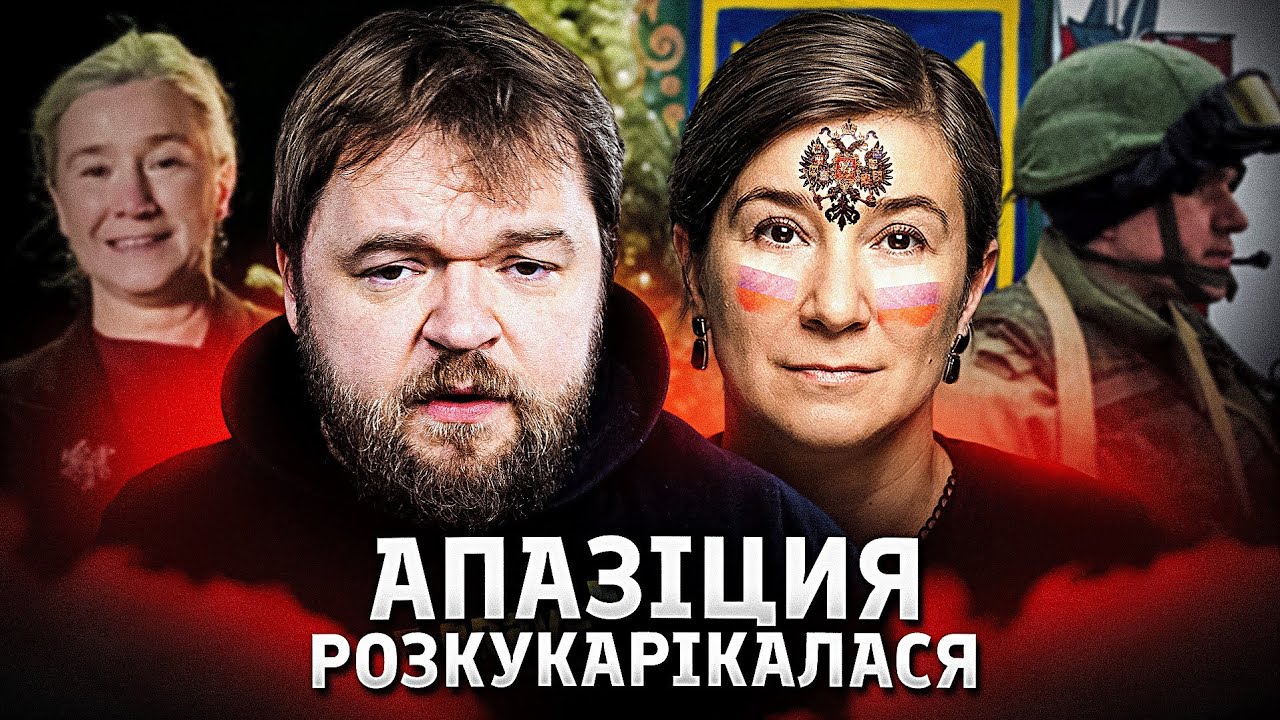
This article provides an in-depth analysis of Moscow's liberal opposition, with a particular focus on prominent figures such as Ekaterina Shulman. The author argues that despite the modern rhetoric of Russian "liberals," their position is still fundamentally imperial, and their inaction is often framed as a civic achievement.
Against the backdrop of war in Ukraine, the lack of a clear moral stance towards Russian aggression is noted. It is pointed out that opposition leaders seldom condemn the crimes of the Russian regime, avoid discussing the return of occupied territories to Ukraine, and distance themselves from responsibility, portraying themselves as victims rather than accomplices.
The article sharply criticizes the concept of lacking collective responsibility and highlights that true opposition should not just speak, but actively resist the system, including supporting Ukrainian forces. Attention is given to their portrayal of internal processes in Ukraine, often using the term "anocracy" and exaggerating alleged state weakness.
The analysis highlights historical parallels and terminological manipulations, showing that most liberals who move to the West retain their attitudes toward Russian aggression, continue describing Russia as a "hybrid regime," and avoid direct condemnation.
Ultimately, the narrative of passivity as resistance is portrayed as supporting the status quo, with outward intellectualism failing to translate into genuine opposition activity. The author concludes that real change is possible only when imperial thinking is renounced and the necessity of decolonizing the Russian state is recognized.
The conclusion emphasizes the need for proactive engagement and real action as the only alternative to complicity through silent consent.