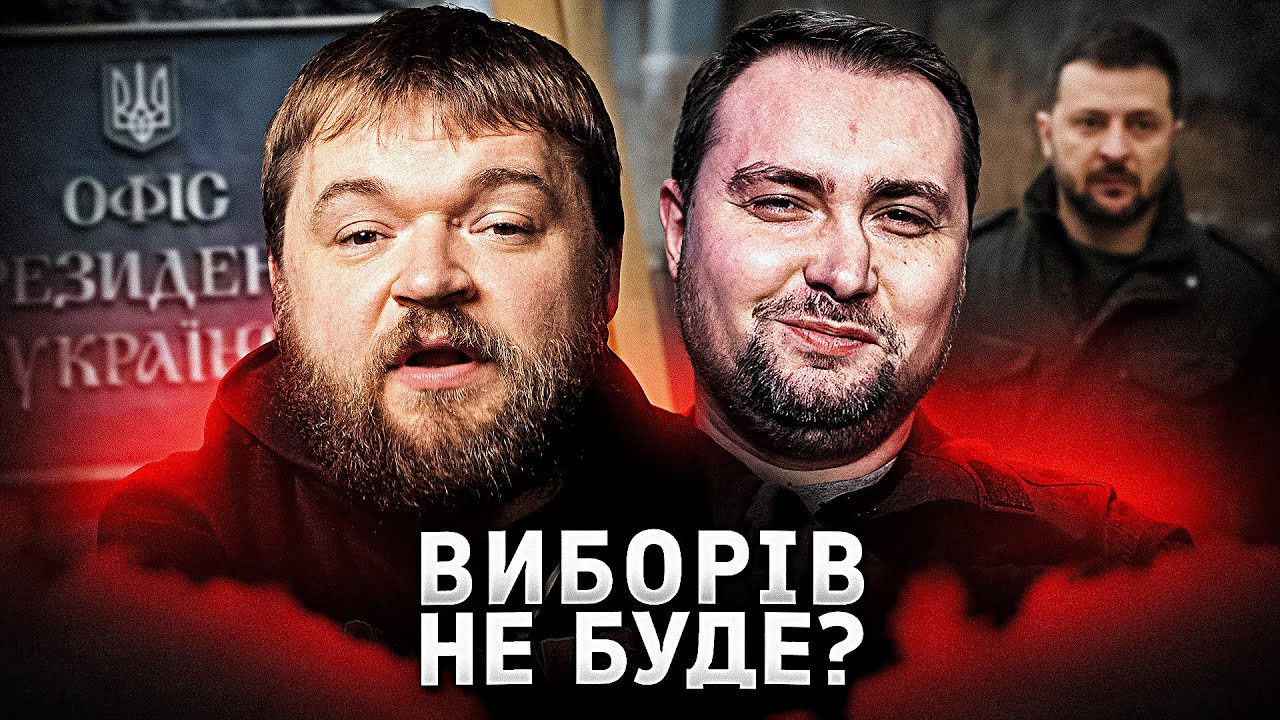
President Volodymyr Zelensky appointed Kyrylo Budanov to a key government position, sparking wide discussion among experts and the public. In the final selection, besides Budanov, Mykhailo Fedorov and Sergiy Kyslytsya were also considered, but the decision favored a military leader.
Some analysts saw this as an attempt to undermine Budanov’s political standing, but the author believes otherwise: it is a step towards strengthening Ukraine in military and international matters. The organic tandem of Zelensky and Budanov relies on vertical governance: the president consolidates power in a time of crisis, while the head of the military direction receives a mandate of trust.
Budanov, a recognized military leader, enjoys high approval among both military personnel and international partners. His appointment may strengthen negotiations and Ukraine’s image before Western allies. In addition to the diplomatic block, Budanov could influence the defense sector as well.
The author emphasizes Budanov’s independence during crises, especially in opposition to certain political circles, highlighting his status as a serious, autonomous actor, not just a figurehead. The new power structure is expected to be legitimate both for Ukrainian society and international partners.
According to the author, the formation of such a tandem replaces the complex idea of a national unity government in wartime. Its effectiveness will be measured by enhanced negotiating positions and reforms in the defense sector.
In summary, Budanov’s appointment responds to internal and external political challenges, seeking to update authority and restore trust among society and partners. Only time and the practical implementation of announced goals will reveal if this experiment succeeds.