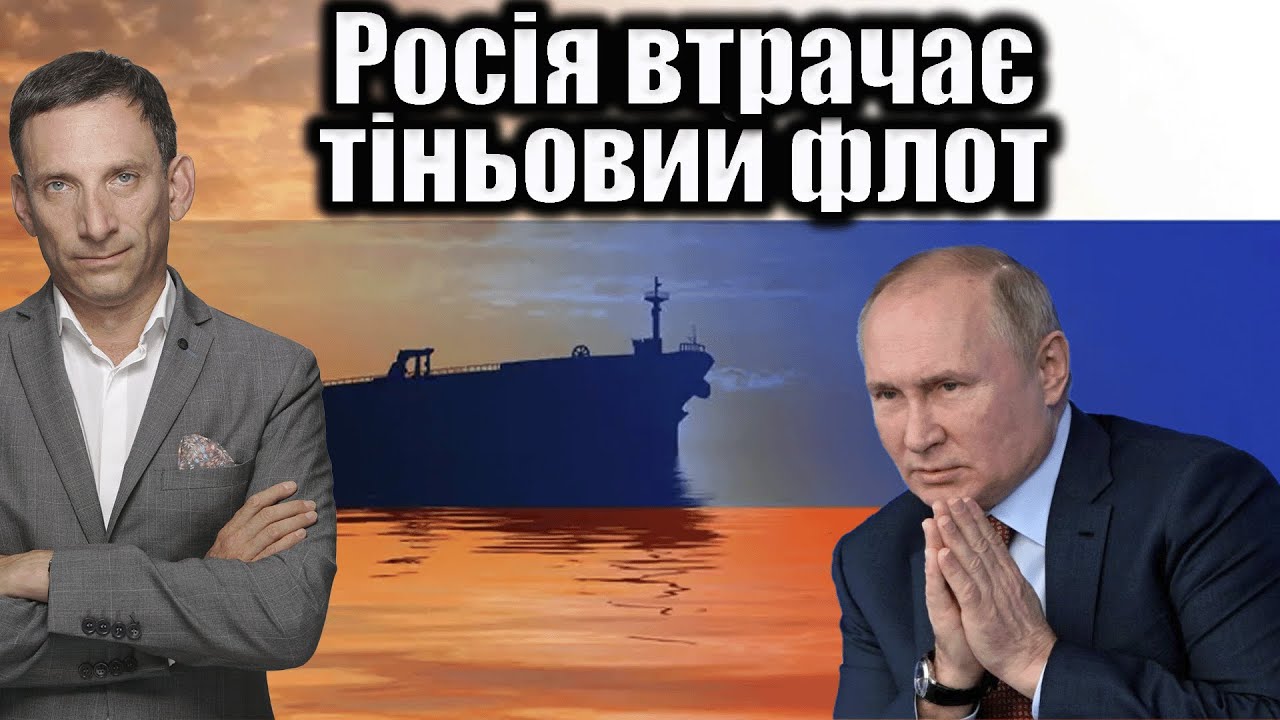
The Economist reports a “perfect storm” for Russia’s shadow fleet, consisting of nearly 700 tankers helping Moscow evade Western sanctions by frequently changing names, accreditations, and flags. Over 623 tankers are now sanctioned, hampering their ability to operate effectively.
US sanctions on Russian oil giants Lukoil and Rosneft restrict their access to the shadow fleet’s services. More refineries in China, India, and Turkey are avoiding oil transported by shadow fleet vessels. Since January, the EU has banned oil products made from Russian oil refined in so-called Global South countries, closing the European market for such exports.
With European markets closed, demand for Russian oil from China, India, and Turkey is limited to their own domestic consumption—and often at heavy discounts. European countries are detaining shadow fleet tankers, Ukrainian forces are striking them, and insurers are raising premiums or outright refusing coverage.
As a result, energy revenues in Russia’s 2025 budget have dropped to a record low of 22%. Unlike the pandemic era, these losses are driven by war and sanctions. Russian authorities are compensating by raising taxes on the population.
In the longer term, economic pressure may be decisive in ending the war. Experts suggest that Russia’s economy is heading toward crisis. The author urges resilience, as sanctions are poised to undermine Russia’s energy profits.