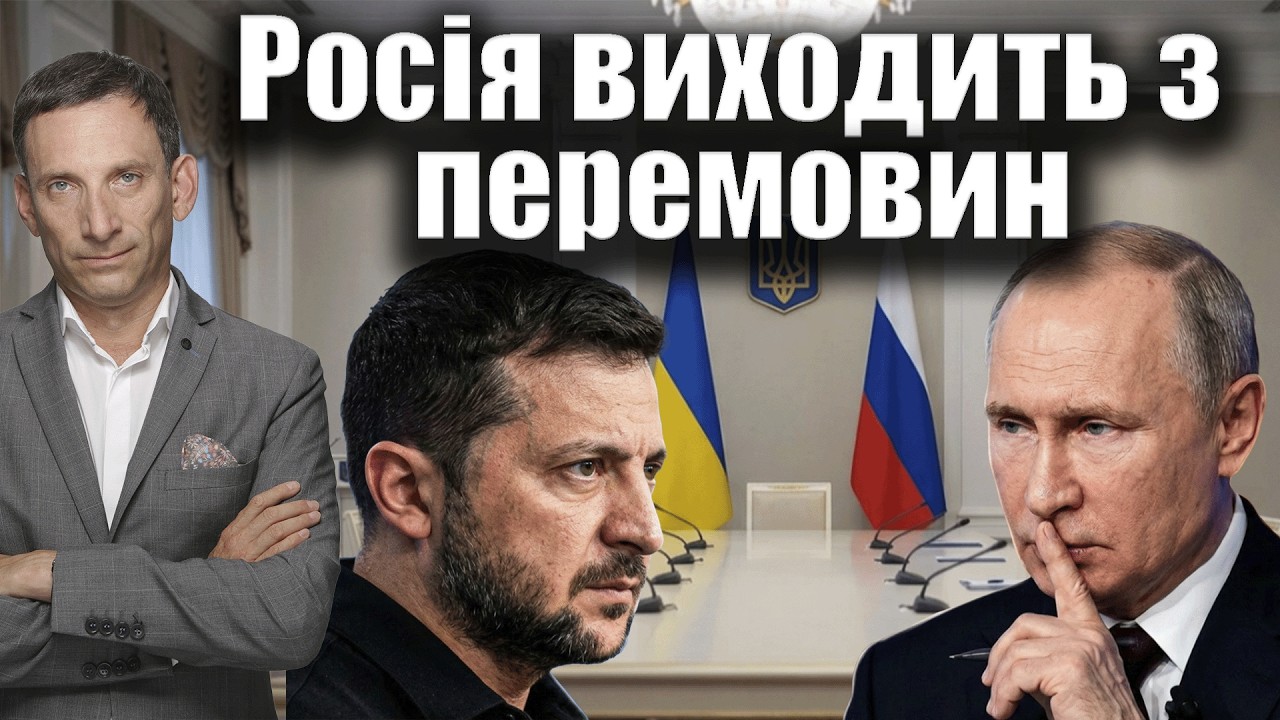
Vitalii Portnikov analyzes advisor to the Russian President Yuri Ushakov's statement announcing Russia's suspension of participation in trilateral peace talks involving Ukraine and the US. Ushakov said Russia will not return to negotiations until Kyiv agrees to withdraw Ukrainian troops from areas of Donbas under the control of the legitimate Ukrainian government.
Portnikov notes that this move from the Kremlin is not surprising, as previous talks were mostly formal and served President Putin’s interest in maintaining special relations with Donald Trump. With the US focused on the Middle East, Ukraine and Russia’s conflict receives less attention from President Trump.
The author emphasizes that, in reality, there have been no genuine peace negotiations between Russia and Ukraine since the full-scale invasion began. The talks were often used by the Kremlin as diplomatic leverage or to show initiative before the US. Now that American mediators like Jared Kushner and Steve Witkoff are occupied with Iran, the Kremlin sees no risk in withdrawing from negotiations.
Portnikov underscores that Moscow is not demonstrating any real desire for a durable ceasefire. Even if a temporary truce is achieved, real peace talks are expected to last for years due to persistent and complex disagreements between the two countries.
According to Portnikov, Russian officials’ statements merely confirm the existing situation, and only Ukraine’s armed forces—by striking Russia’s military-industrial infrastructure—can affect Moscow’s stance at this stage.
In conclusion, the end of the war will mostly depend on Ukraine’s resolve, rather than the mediation efforts of international actors or politicians from other countries.