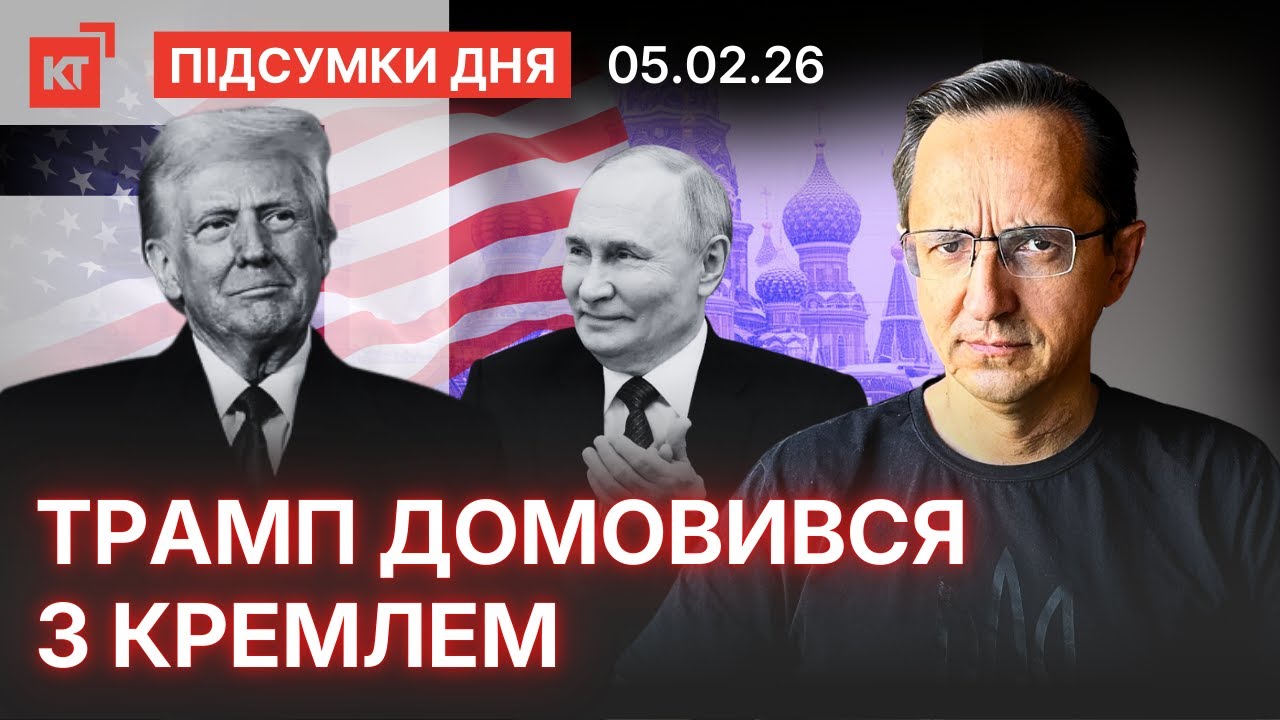
On February 5, the second day of negotiations in Abu Dhabi between Ukraine, the US, and Russia concluded. The talks were described as constructive by Ukrainian representatives. A key outcome was the restoration of high-level military dialogue between the US and Russia, marking the first such engagement since 2021, when discussions ceased following Russia's full-scale invasion.
Notably, a prisoner exchange took place during the negotiations, with 157 individuals returning to Ukraine, including many unlawfully convicted Ukrainians. According to journalists citing US sources, Russia demanded international recognition of the annexation of Donbas, a demand firmly rejected by Ukraine. President Zelensky reaffirmed Ukraine’s unwavering stance on not recognizing occupied territories as Russian.
It also became known that the US and Russia agreed to honor the terms of the Strategic Arms Reduction Treaty (START III) for at least another six months while talks on a new agreement continue. The US European Command also confirmed the resumption of military dialogue.
Another important development was the visit of OSCE Chairperson-in-Office, Swiss Foreign Minister Ignazio Cassis, to Moscow, potentially indicating efforts to strengthen OSCE peacekeeping activities through renewed monitoring missions in Ukraine.
Polish Prime Minister Donald Tusk announced a new military aid package for Ukraine amounting to $56 million during his visit to Kyiv, and discussed the possible transfer of MiG-29 fighter jets to Ukraine.
In the energy sector, the situation in Kyiv remains challenging, with over 1,100 buildings still without heating and recurring power outages. The city is receiving generators from the EU and implementing the “Warm Packages” program to support residents through the winter.
With regard to the political process, elections will not be held in Ukraine during the ongoing war — preparations are focused solely on post-war voting. The main challenges include security, military and internally displaced persons’ participation, and protecting the electoral process from Russian interference.