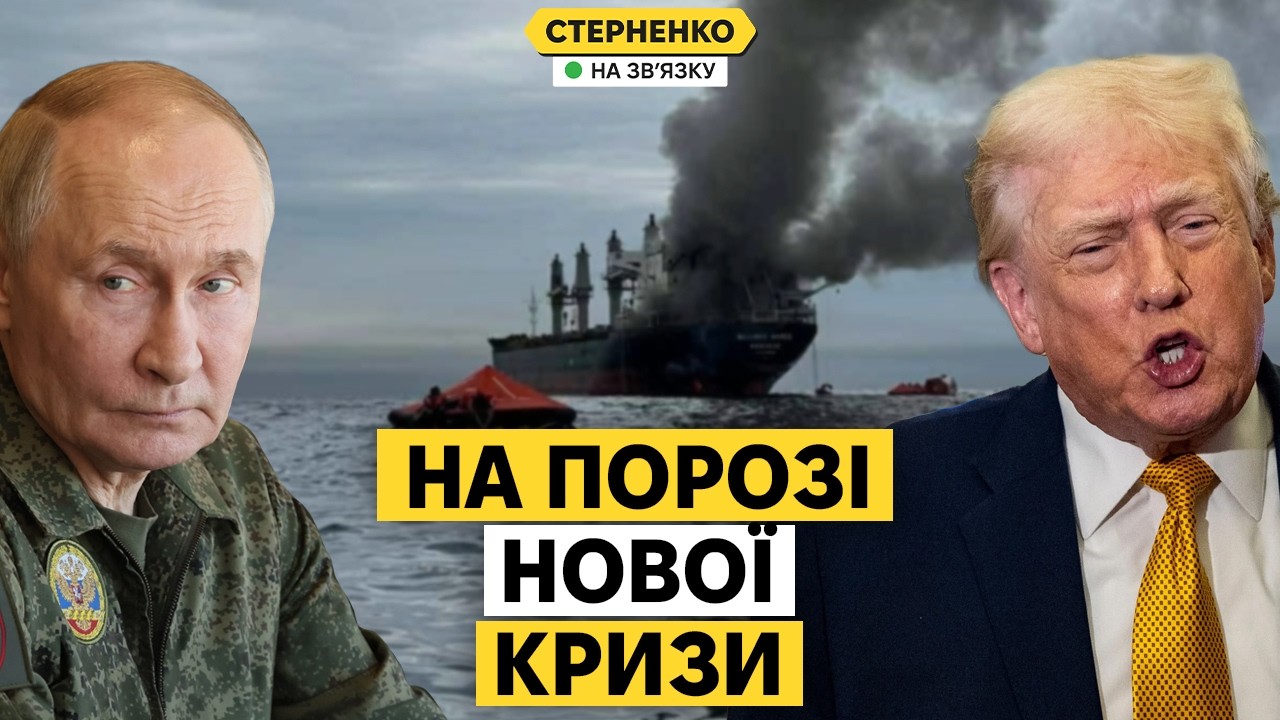
On March 22, Middle East tensions remain high as US President Donald Trump issued an ultimatum to Iran: reopen the Hormuz Strait within 48 hours, or American forces will strike Iran's energy infrastructure. In response, Iran has threatened to attack American infrastructure in the region, including IT and water desalination facilities, which could provoke a humanitarian crisis.
The war between Israel, the US, and Iran has lasted nearly a month. Initial strikes eliminated much of Iran’s top military and political leadership, but the regime remains intact. Protests in Iran are almost absent due to repression and ongoing hostilities, which consolidate radical Islamist elements. Iran has used unconventional tactics, striking at neighboring countries and partially blocking the Hormuz Strait, a route for 20% of global oil exports. Full closure could lead to an energy crisis.
The US has taken steps to stabilize markets, removing some sanctions on Russian and Iranian oil, with India being a main buyer. President Trump’s stance on the Hormuz Strait has fluctuated, while Iran’s actions undermine his goal to lower energy prices globally.
The conflict affects Russia: its geopolitical influence wanes due to insufficient support for Iran and damage to its image. The US struck an Iranian port supplying arms to Russia. Rising oil prices temporarily benefit Russia’s budget, but long-term crisis may lower demand and deepen the budget deficit.
Protest sentiment is increasing in Russia. Higher taxes, utility tariffs, inflation, and economic stagnation are causing social discontent. The absence of a systematic opposition and strong leaders hampers a larger protest movement, but negative trends are apparent. Experts recommend targeting Russia’s vulnerabilities to intensify internal crises, potentially driving political change in the future.
Overall, the situation remains dynamic in both the Middle East and within the Russian Federation, with significant developments expected in the coming weeks.