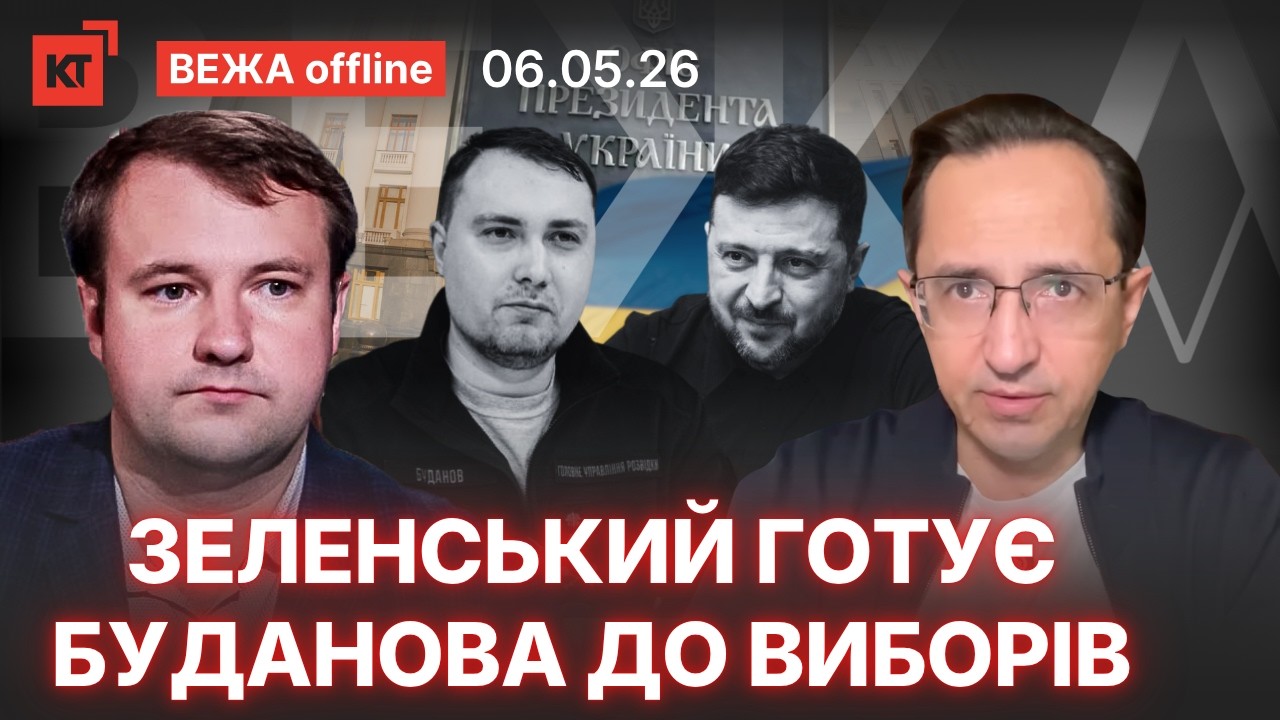
On May 6, at the Veza Center for Public Analytics, political scientist Petro Oleshchuk provided commentary on recent political events in Hungary and Ukraine. One key focus was Hungary's unexpected decision, under Viktor Orban, to return funds previously withheld from Ukraine. Oleshchuk suggests this move aimed to avoid future legal complications after Hungary's new government is installed. He believes the step had political undertones, possibly influenced by Russian political consultants, and served as a provocation during Hungary’s election campaign. Now, as power transitions to Magyar, Orban seeks to quietly resolve the issue, though it could resurface in the future political debate.
Discussing the upcoming change of Hungarian prime minister, Oleshchuk notes that the true direction of the new government will emerge from its concrete actions, not just pre-election statements. He highlights that imperial nostalgia remains a stable element in Hungarian politics and could continue shaping relations with its neighbors, including Ukraine. Oleshchuk draws parallels between Ukrainian-Hungarian and Ukrainian-Polish relations, noting that historical, social, and political tensions often surface in bilateral discourse and sometimes lead to conflict.
The second part of the discussion addressed the recent appointment of Serhiy Tigipko as adviser to Office of the President head Kyrylo Budanov. Oleshchuk believes this may be a strategic political move to bring together various political and financial forces, benefiting from Tigipko’s extensive background in macroeconomics and finance. However, Tigipko’s past association with the Yanukovych era could affect Budanov’s public image and political ratings. Oleshchuk emphasizes that Budanov is now seen more as a politician, with a growing image shaped by both achievements and controversies, potentially marking the emergence of new political projects in Ukraine.
Other topics included the importance of maintaining electoral flexibility, the prospects for new political initiatives, and the significance of relationships with neighboring countries in shaping Ukraine’s political reality. Oleshchuk concludes that despite wartime circumstances, Ukrainian politics remain highly dynamic, and appointments like Tigipko’s signal efforts to balance interests and confront evolving challenges.