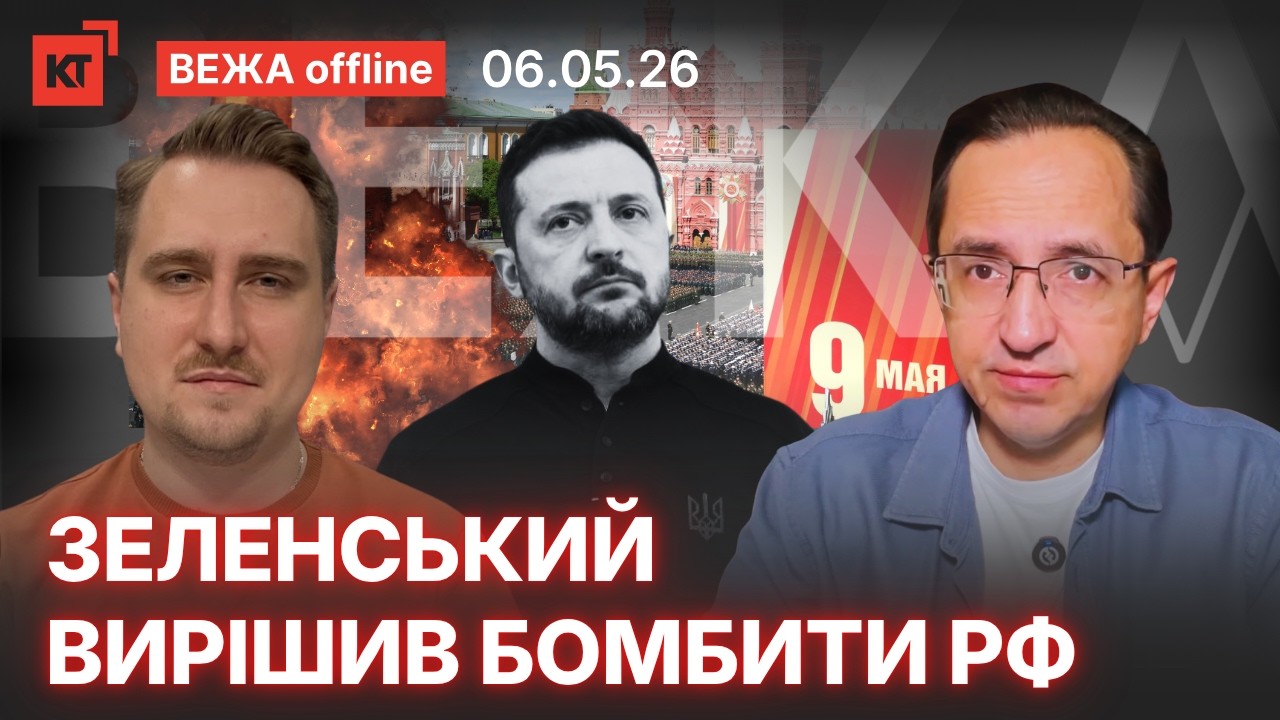
On May 6, the Center for Public Analytics 'Vezha' discussed the key political events of the week. Political scientist and international affairs expert Maksym Nesvitailov commented on the ceasefire initiative announced by President Zelensky. Despite calls for a ceasefire, the Russian side ignored the proposal and continued shelling. According to the expert, Ukraine acted reasonably, allowing partners, especially the US, to impact the diplomatic process. The US and some European countries suggested considering a truce, and Ukraine initiated its proposal even ahead of schedule, offering mirrored actions. However, Russia did not respond, legitimizing Ukraine's further actions, including from the viewpoint of Western countries.
Diplomatic developments were also discussed, including reports of communications between Trump and Putin regarding a possible cessation of hostilities, as well as appeals from other partners. Maksym Nesvitailov believes Russia refused to support the ceasefire as expected, seeking to deal only with certain actors—such as the US through Trump—rather than with Ukraine directly.
In the second part of the discussion, the expert analyzed Russian Foreign Minister Lavrov’s contact with the US ahead of May 8–9. The primary purpose, in his view, was to inform the American side that Russia would not comply with peace initiatives and to discuss matters related to Iran and Cuba amid ongoing energy and geopolitical developments.
Special attention was given to a potential US-Iran deal to delay Iran’s nuclear program for 12 years or more. The expert provided historical context and suggests Iran is unlikely to make concessions before the US elections.
The closing topic was China's role in the region, especially through Pakistan’s mediation. The Iranian minister's visit to Beijing and China's growing engagement may influence future international negotiations and settlements.