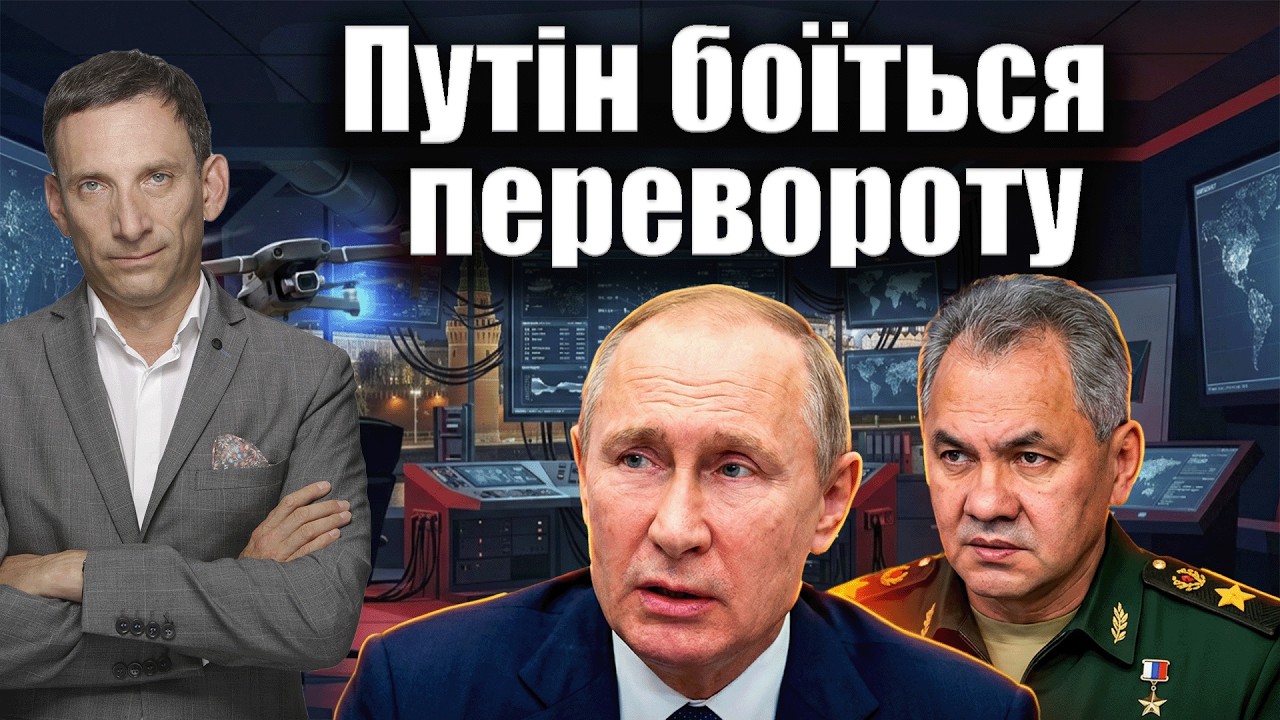
According to a report from a European intelligence source, Russian President Vladimir Putin increasingly fears assassination attempts using drones or the possibility of a military or government coup—potentially orchestrated by those close to him.
In response, Russia's Federal Protective Service (FSO) has considerably intensified security measures to prevent any attempt to remove or harm Putin. The report notes enhanced special security measures extending not only to Putin but to his inner circle as well. Putin is now frequently shielding himself in specially upgraded bunkers that minimize the risks of missile or drone attacks on his residences.
The report also highlights growing internal tensions among Russia’s security services. The FSO is said to be consolidating influence by stoking intra-agency competition, a tactic previously used by the FSB. A historical parallel is drawn with the transfer of power from Yeltsin to former KGB and FSB officer Putin after the FSB's victory over the FSO in the 1990s power struggles.
Now, the situation may be reversing, with the FSO leveraging the war in Ukraine to reassert its power and reportedly exercising control over Russia’s military leadership. The analysis suggests: as Putin’s position weakens, the influence and initiatives of security agencies grow stronger.
The main conclusion: Russia's Federal Protective Service is emerging as a new political superpower, using the president’s paranoia to consolidate power. The succession issue, future of the war, and stability of Russia’s elite may now depend on FSO leadership.