According to RBC-Ukraine, the peace process has stalled primarily due to the territorial issue of Donbas. Ukraine refuses to make concessions, Russia maintains hardline demands, and compromise proposals from the US are seen as unacceptable in Kyiv. As a result, negotiations have ground to a halt and no political breakthrough is expected anytime soon.
In response, Ukraine's authorities are increasingly embracing the scenario of a drawn-out conflict. Their main bet is on exhausting Russia through strikes on its energy and defense infrastructure, as well as developing Ukraine's own defense industry. The aim is to outlast the opponent and force Moscow to agree to less advantageous terms for ending the war, without officially recognizing the occupied territories.
The article notes that if Ukraine can hold its positions and prevent Russia from capturing Donetsk region, Moscow might eventually lower its demands. However, this view is not universal among the President's team. The government is reforming the army, considering changes for contract soldiers and introducing new recruitment incentives, though fundamental demobilization issues require legislative action.
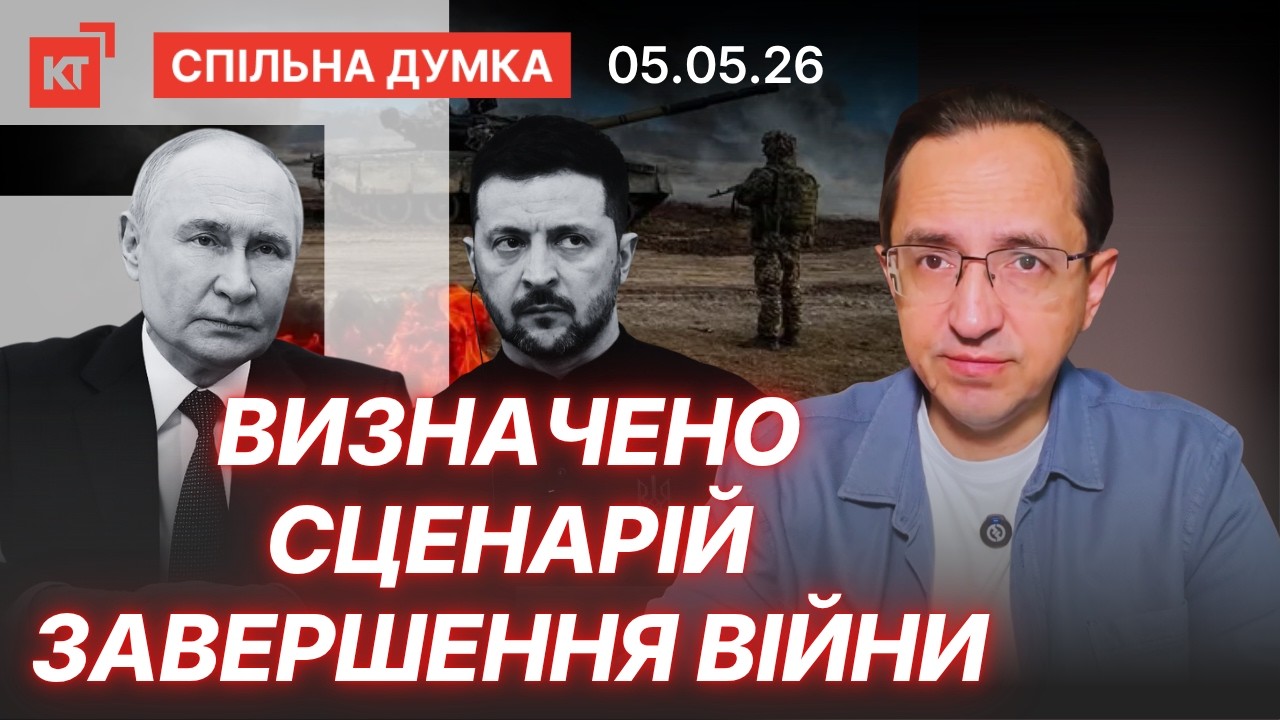
The growing consensus is for a “frozen conflict” scenario, where a ceasefire agreement—rather than a full peace treaty—might be signed, resembling the situation between North and South Korea: ongoing confrontation without a final settlement.
The authors stress that any scenario must account for Ukraine’s internal affairs: mobilization, martial law, elections, and EU integration. President Zelensky emphasizes Ukraine will not surrender its occupied territories, while EU accession will likely not happen sooner than 2030.
Analysts advise preparing for all possible outcomes, given the complex economic and political conditions in both Ukraine and Russia. A quick resolution remains unlikely, and a frozen war scenario is currently among the basic expectations.